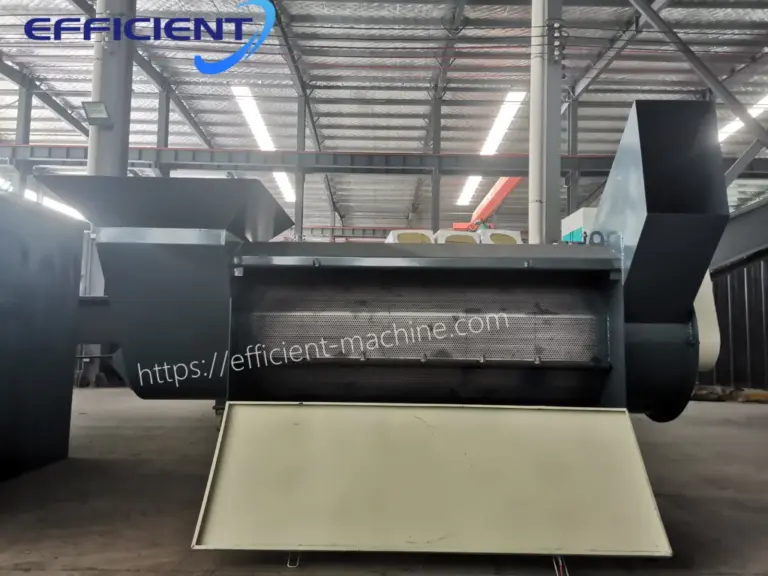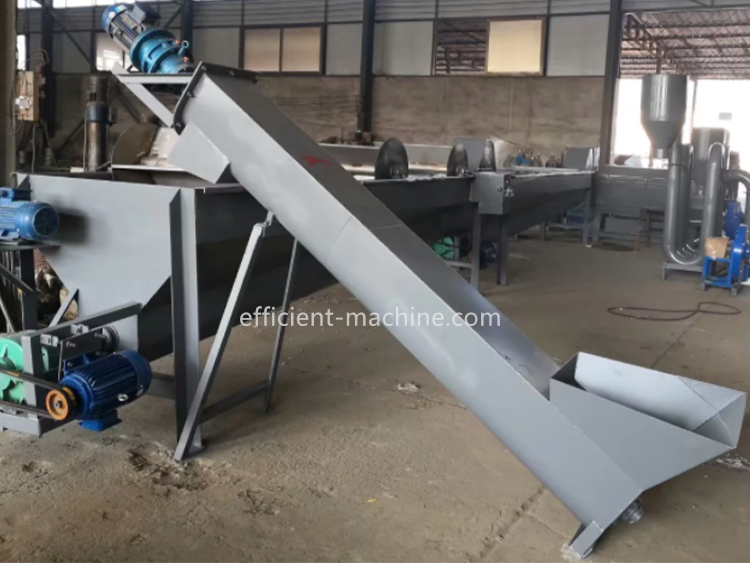
Arruela de fricção de flocos de plástico
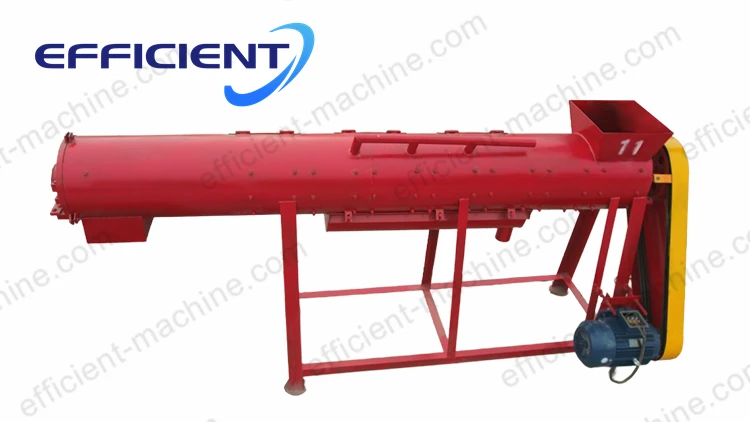
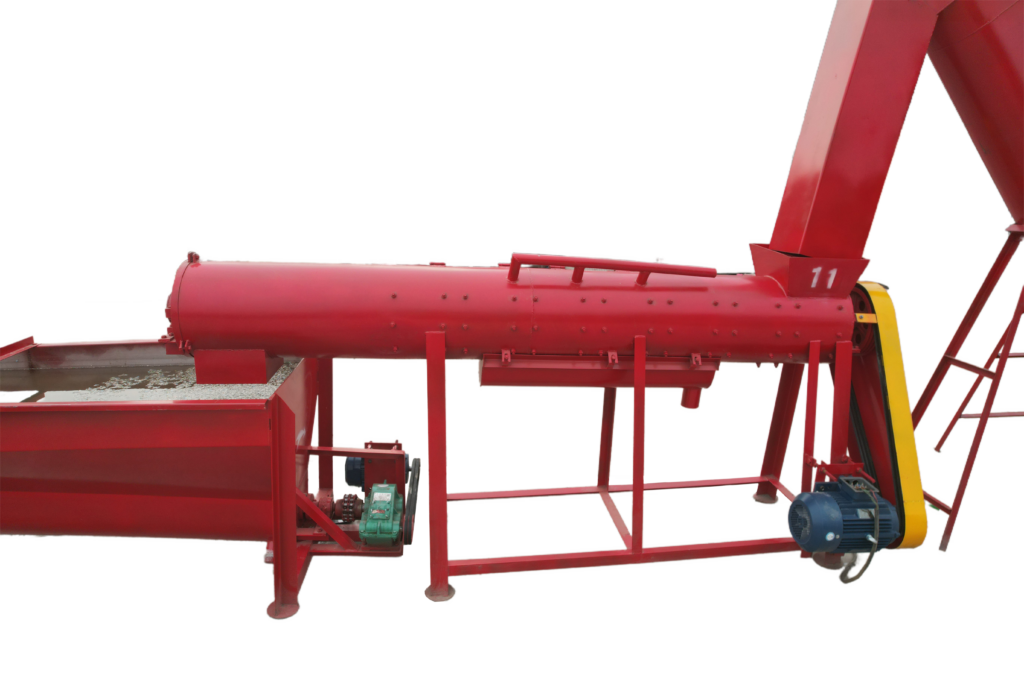
máquina de lavar por fricção de flocos de plástico para reciclagem de plástico
| Capacidade | 500-100 kg/hora |
| Comprimento | 3000 mm |
| Poder | 7,5 kW |
| Camada de saída | 4mm |
| Espessura da Lâmina | 6mm |
O que é máquina de lavar por fricção?
A plastic flakes friction washer is a high-speed mechanical cleaning machine used in plastic recycling lines to scrub and decontaminate rigid or flexible plastic flakes (such as PET bottle flakes, PE/PP films, and HDPE regrind). By utilizing high-speed centrifugal rotation and water rinsing, it effectively removes stubborn dirt, paper labels, glue residues, oil, and sand without chemical additives.
A máquina de lavar por fricção é usada no processo de reciclagem de plástico, que é uma etapa importante para melhorar a pureza do plástico do produto final e aumentar o valor econômico do produto final.
A máquina de lavar por fricção de alta velocidade pode remover sujeira, graxa e outras sujeiras e poluentes de flocos e filmes de plástico, tornando as matérias-primas de flocos de plástico que entram no próximo processo de processamento mais limpas. Transforme resíduos de plástico sujos em pellets de plástico reciclado limpos.
No negócio da reciclagem, a lavagem é uma etapa imprescindível para aumentar o valor dos materiais desejados. Tanques flutuantes e máquinas de lavar por fricção são os meios comuns para atingir esse objetivo.
Qual é o princípio de funcionamento da máquina de lavar por fricção?
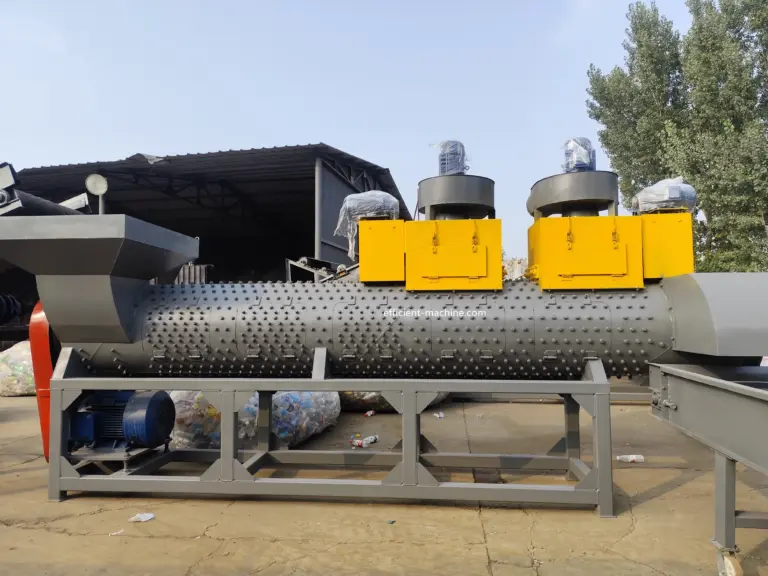
Os principais componentes são o grande rotor com vários conjuntos de pás, tela de desidratação e coletor de limpeza para injeção de água. A Arruela de Fricção é acumulada em uma estrutura inclinada.
As lâminas no eixo principal empurram o material para frente, o eixo de rotação rápida e as pás transportam para cima e batem os materiais contra a tela, assim como funciona uma máquina de lavar roupa. Sujeira e graxa são então expulsas do sistema e pulverizadas por bicos de água. A água suja e os contaminantes são então descarregados na parte inferior da máquina. Os materiais limpos saem por cima.
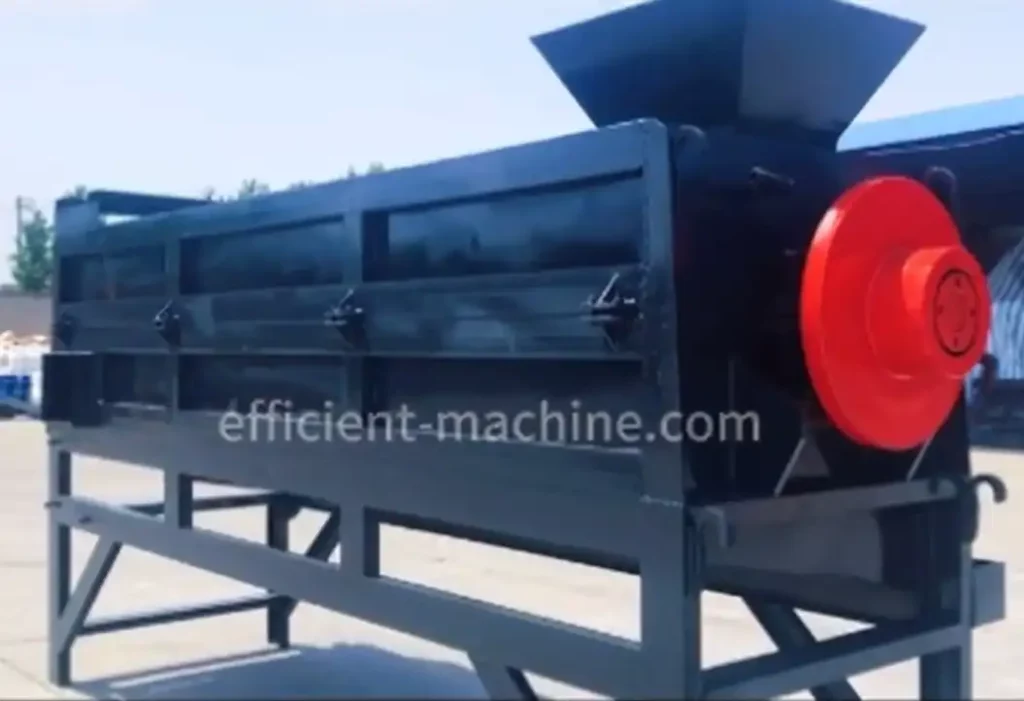
Importância das máquinas de lavar por fricção
Máquinas eficientes de lavagem por fricção são comumente usadas em diversas aplicações em processos industriais e empresas de reciclagem. As máquinas de lavar por fricção convertem resíduos plásticos sujos em matérias-primas plásticas limpas, produzindo pellets de plástico reciclado que têm um valor econômico mais alto do que os pellets de plástico contendo muitas impurezas em mercados que valorizam a qualidade do produto.
Características da arruela de fricção?
A arruela de fricção é resistente e está disponível em diversos modelos, apresentando:
Sem bloqueio de materiais
Lavagem a frio
Altamente eficiente para limpar
Fácil manutenção
Lave rigorosamente os materiais plásticos
Design compacto comparando tanque de água
Aplicações de Arruela de fricção
Industrial Applications of Plastic Friction Washers
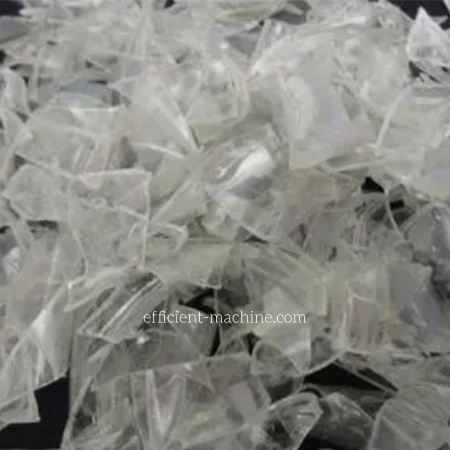
A plastic friction washer plays a vital role in both post-consumer waste (PCW) and post-industrial scrap (PIS) washing lines. By removing surface impurities through high-speed mechanical scrubbing, it transforms heavily contaminated plastic waste into high-purity flakes suitable for downstream extrusion and pelletizing.
1. PET Bottle Recycling Lines (Rigid Plastics)
In PET bottle washing plants, removing labels and residual adhesives is critical to achieving fiber-grade or food-grade rPET flakes.
- Target Materials: PET beverage bottles, mineral water bottles, thermoformed PET trays, and clamshell packaging.
- Contaminants Removed: Paper label fibers, water-soluble and hot-melt adhesives (glues), organic beverage residues, soil, and sand.
- Impact on End Product: Ensures low PVC/glue contamination levels, preventing discoloration and carbonization during high-temperature PET yarn or sheet extrusion.
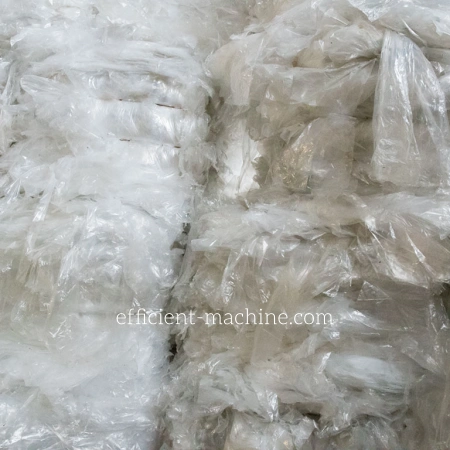
2. PE / PP Agricultural & Post-Consumer Film Washing
Agricultural and post-consumer soft films are among the most heavily contaminated waste streams, often containing high percentages of sand and organic mud.
- Target Materials: LDPE greenhouse film, mulch film, PP woven bags, jumbo bags (FIBCs), stretch wrap, and shopping bags.
- Contaminants Removed: Heavy agricultural soil, mud, sand, grit, silage residue, and surface oil stains.
- Impact on End Product: Protects downstream dewatering machines and pelletizing extruders from abrasive wear, significantly extending screen-changer and screw lifespan.
3. HDPE & PP Rigid Container Regrind Washing
Rigid containers used for household chemicals, personal care products, and industrial liquids require deep surface cleaning before remolding.
- Target Materials: HDPE milk jugs, detergent bottles, PP oil drums, plastic crates, battery cases, and chemical containers.
- Contaminants Removed: Chemical residues, greases, printing inks, dirt, and paper labels.
- Impact on End Product: Eliminates unpleasant odors and volatile organic compounds (VOCs), producing high-purity regrind for pipe extrusion and injection molding.
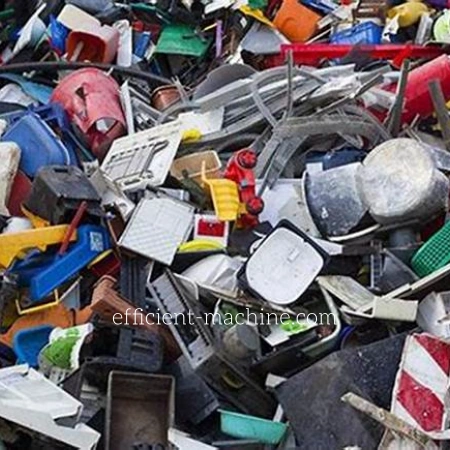
4. Post-Industrial Scrap (PIS) & Electronic Waste Recovery
In factory-floor scrap recovery and e-waste recycling, friction washers are utilized to clean shredded plastic components contaminated during storage or disassembly.
- Target Materials: ABS/PS housings from electronic waste (WEEE), automotive bumper offcuts, purge materials, and scrap pipes.
- Contaminants Removed: Machine oil, industrial dust, metal dust fines, and rubber particles.
- Impact on End Product: Restores baseline polymer purity, allowing manufacturers to reintroduce scrap back into primary production lines without sacrificing structural integrity.
Frequently Asked Questions (FAQ) About Plastic Flakes Friction Washer
1. What is the difference between a friction washer and a sink-float separation tank?
A sink-float tank uses liquid density differences to separate different plastic types (e.g., PP/PE floating vs. PET sinking). A friction washer does not separate plastics by density; instead, it uses high-speed mechanical scrubbing to remove physical contaminants (glue, dirt, paper) attached to the flake surfaces.
2. Does the friction washer require hot water or chemicals?
For general dirt, mud, and sand, cold water rinsing is sufficient. However, for PET bottle recycling or materials with heavy oil/glue, integrating hot water with a mild caustic soda solution into the friction washer dramatically improves washing efficiency.
3. How do I prevent the screen mesh from getting blocked by soft plastic films?
We offer specialized Film Friction Washers featuring an adjusted rotor angle, increased water spray pressure, and customized mesh geometries specifically designed to prevent thin LDPE/PP agricultural films from wrapping around the shaft.
Quais são os componentes principais importantes da arruela de fricção?
O eixo principal, as lâminas e a tela hexagonal exclusiva ajudam a aumentar a resistência ao atrito.
Upgrade Your Plastic Washing Line Today
Maximize flake purity and protect your downstream extruders from abrasive wear. Contact our recycling engineers today for a custom washing line layout and factory-direct pricing.