Máquina de reciclagem de plástico duro



What is A Hard Plastic Recycling Machine?
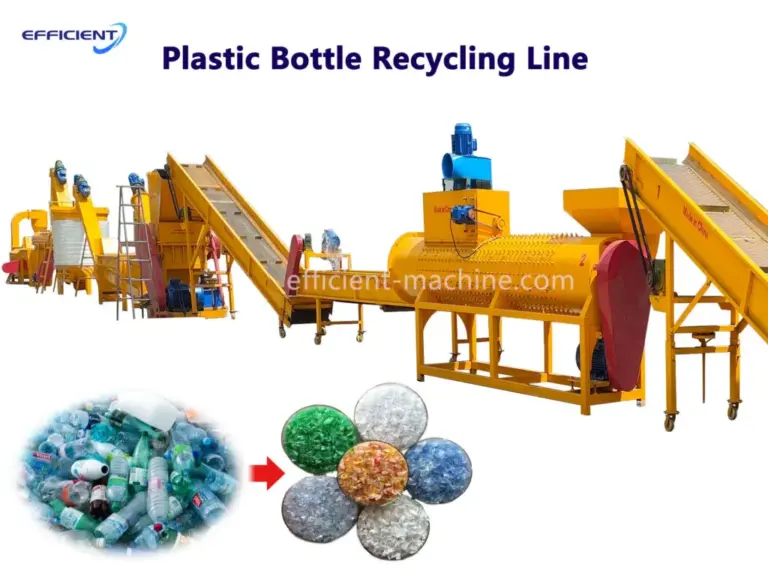
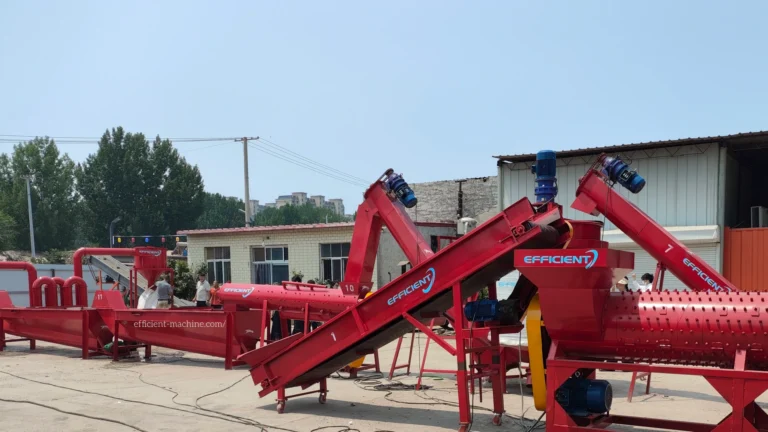
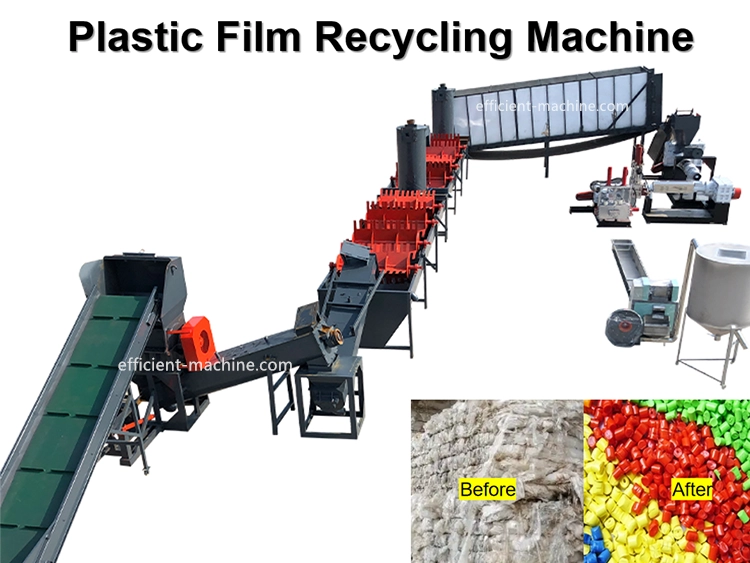
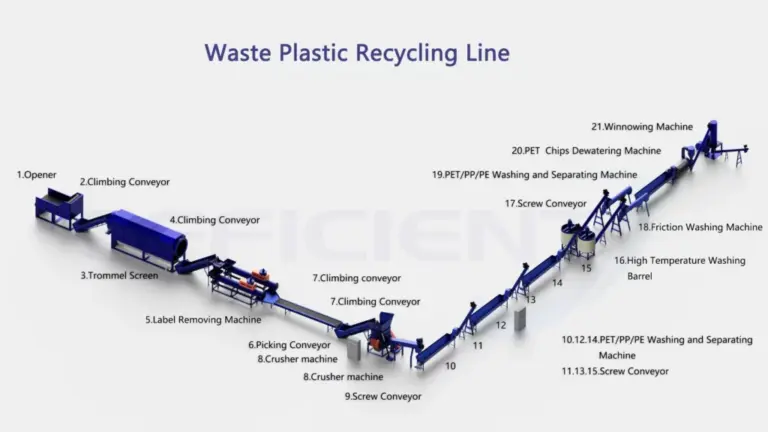
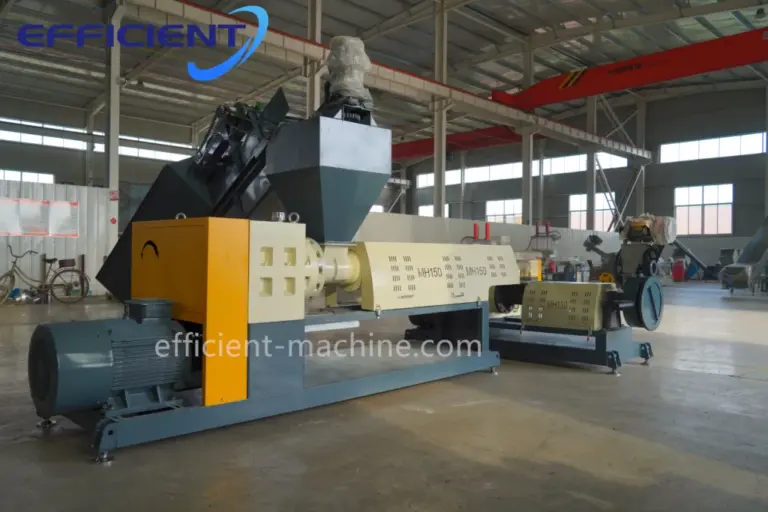
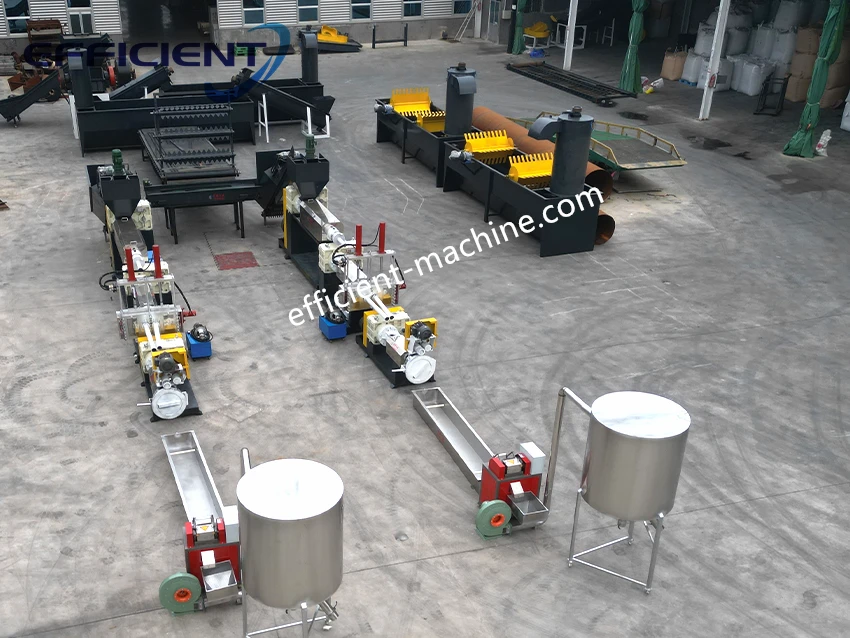
Rigid plastic recycling machine refers to a type of machine used to recycle rigid plastics, which undergoes a series of processes including plastic classification, cleaning and crushing, melting and extruding into strips, cooling, and plastic strip pelletizing to become recycled plastic particles. The main machines include: conveyor belt,plastic crusher, rinsing tank, plastic dewatering machine, conveyor, plastic pelletizing machine(plastic extruder), cooling tank, Plastic pelletizer, and other auxiliary machines, components.
Capacidade: 100kg/h, 200kg/h, 300kg/h, 500-800kg/h.
Comprimento da partícula: 4mm (convencional), pode ser personalizado.
Diâmetro da partícula: 3mm (convencional), pode ser personalizado.
Garantia: 1 ano.
Matérias-primas: plásticos de engenharia, portas e janelas de plástico, canos de esgoto, canos de drenagem, tomadas elétricas, invólucros de eletrodomésticos, etc.
Aplicação de máquina de reciclagem de plástico duro


A máquina de reciclagem de plástico rígido é amplamente utilizada em resíduos de brinquedos, móveis, peças de automóveis, resíduos de recipientes de plástico (resíduos de barris de plástico, latas de plástico, resíduos de garrafas de leite de plástico, resíduos de garrafas de suco de plástico), etc.
Tipos de plásticos duros
Existem muitos tipos de plásticos rígidos recicláveis, como:
PP: Polipropileno, utilizado em potes de margarina, potes de iogurte e alguns talheres de plástico.
PEAD: Polietileno de alta densidade, utilizado na fabricação de jarras de leite, garrafas de detergente e alguns brinquedos.
PEBD: Polietileno de baixa densidade, utilizado em sacolas plásticas, garrafas compressíveis e algumas embalagens de alimentos.
PVC: Policloreto de vinila, utilizado em tubulações, pisos, esquadrias de janelas e algumas embalagens de alimentos.
PS: Poliestireno, utilizado em copos, pratos e talheres descartáveis.
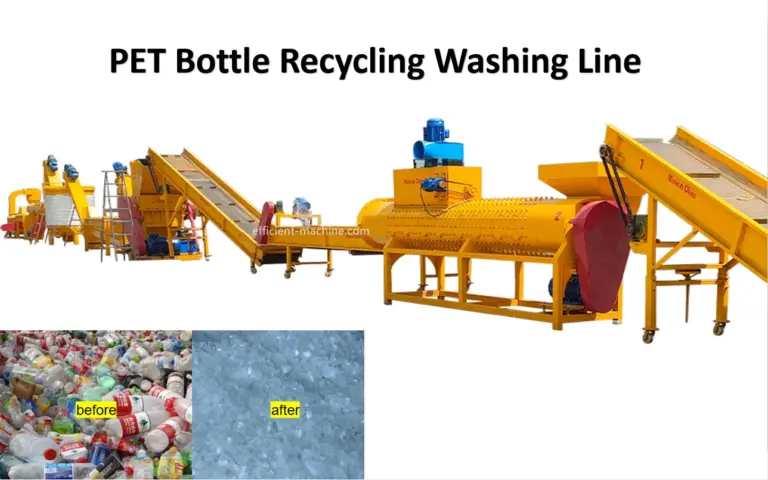
PET: Politereftalato de etileno, utilizado em garrafas de água, refrigerantes e alguns recipientes para alimentos. (Para garrafas plásticas PET, fornecemos linhas de produção profissionais de reciclagem de garrafas PET, saiba mais).
Outros: Qualquer outro tipo de plástico rígido diferente dos acima mencionados.
Ao reciclar plásticos duros, podemos ajudar a reduzir a quantidade de resíduos que vai para aterros sanitários e incineradores. Também podemos ajudar a conservar os recursos naturais e proteger o meio ambiente da Terra.
How Does a Hard Plastic Recycling Machine Work?
 Máquina de reciclagem de plástico duro
The recycling process generally follows these steps:
Step 1: Waste Plastic Collection and Sorting
Separate different plastic types and remove unsuitable materials.
Step 2: Shredding and Crushing
Reduce rigid plastic waste into smaller pieces or flakes.
Step 3: Washing and Separation
Remove contaminants and separate materials when appropriate.
Step 4: Dewatering and Drying
Reduce moisture to meet downstream processing requirements.
Step 5: Final Product
Clean recycled plastic flakes, or recycled pellets if an extrusion system is installed.
Not every recycling project requires all five stages. For example, a plant producing clean HDPE flakes may not need a pelletizing machine, while a plant selling recycled plastic granules will generally need an appropriate extrusion and pelletizing system.
What Are the Advantages of a Hard Plastic Recycling Machine?
- Efficient waste processing: Mechanical processing reduces bulky rigid plastic waste into manageable sizes.
- Resource recovery: Recycled flakes and pellets can replace a portion of virgin plastic in suitable applications.
- Reduced waste disposal: Recycling diverts recoverable plastic from landfills and other disposal routes.
- Flexible applications: Equipment can be configured for different materials, including PP and HDPE.
- Commercial value: Clean, properly sorted recycled plastic can be sold to manufacturers as a secondary raw material.
Actual production capacity, energy consumption, and operating costs depend on the plastic material, machine specifications, and plant configuration.
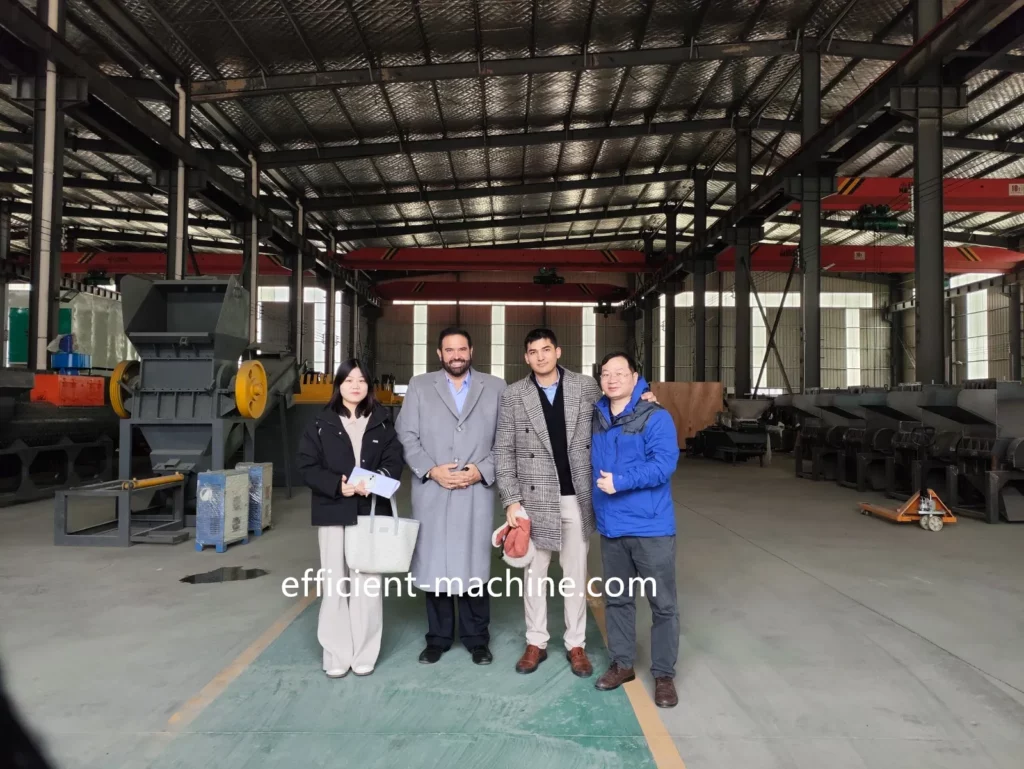
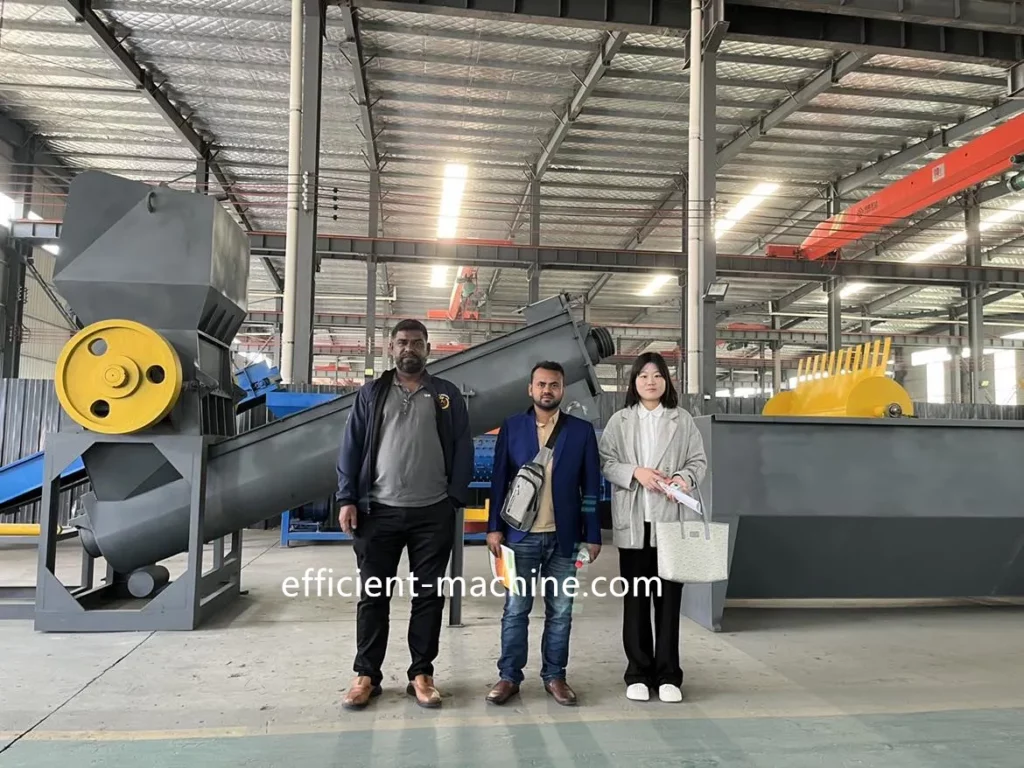
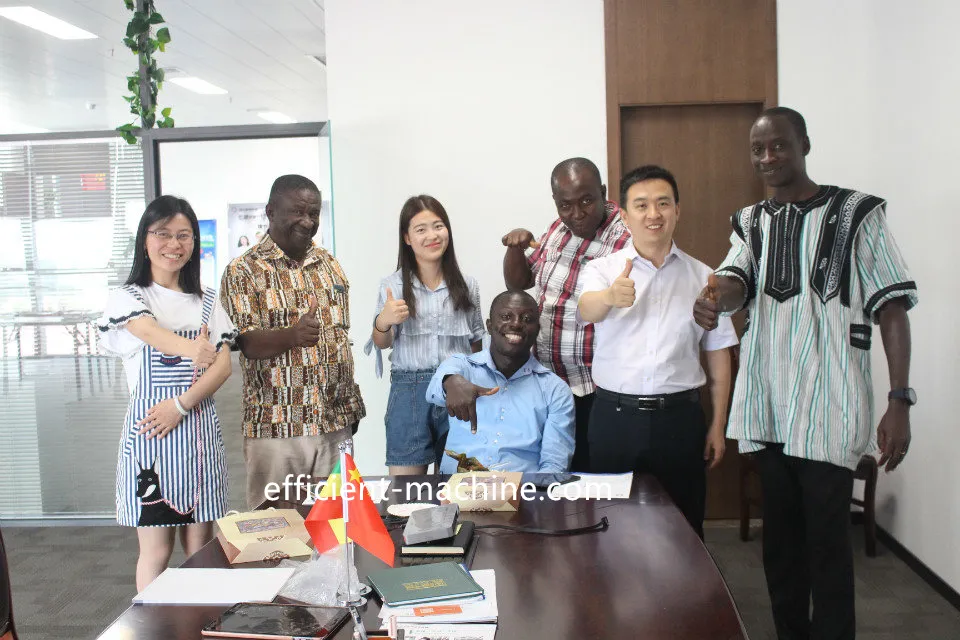
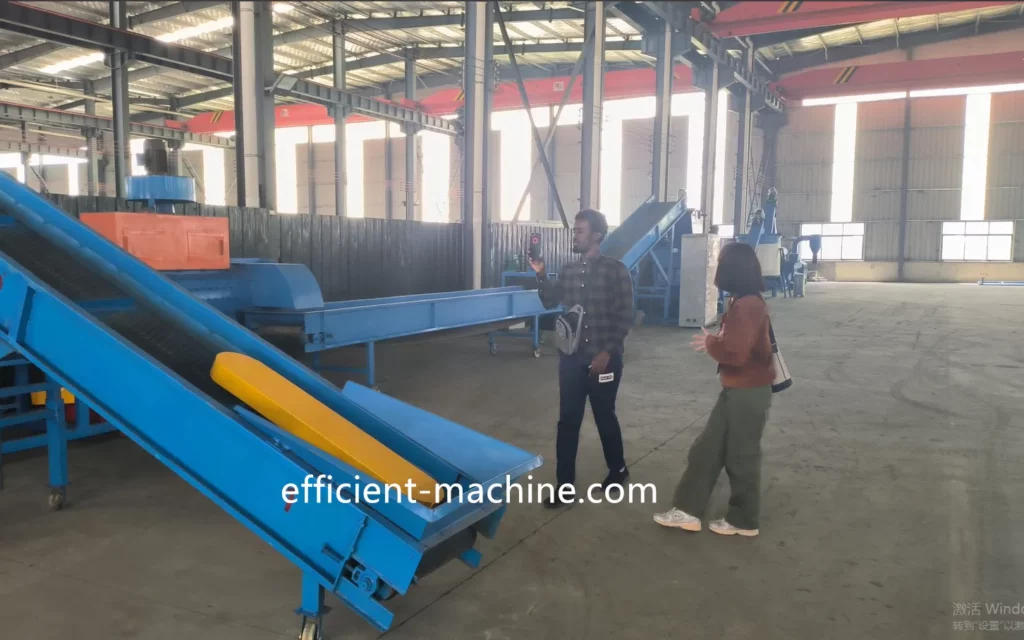
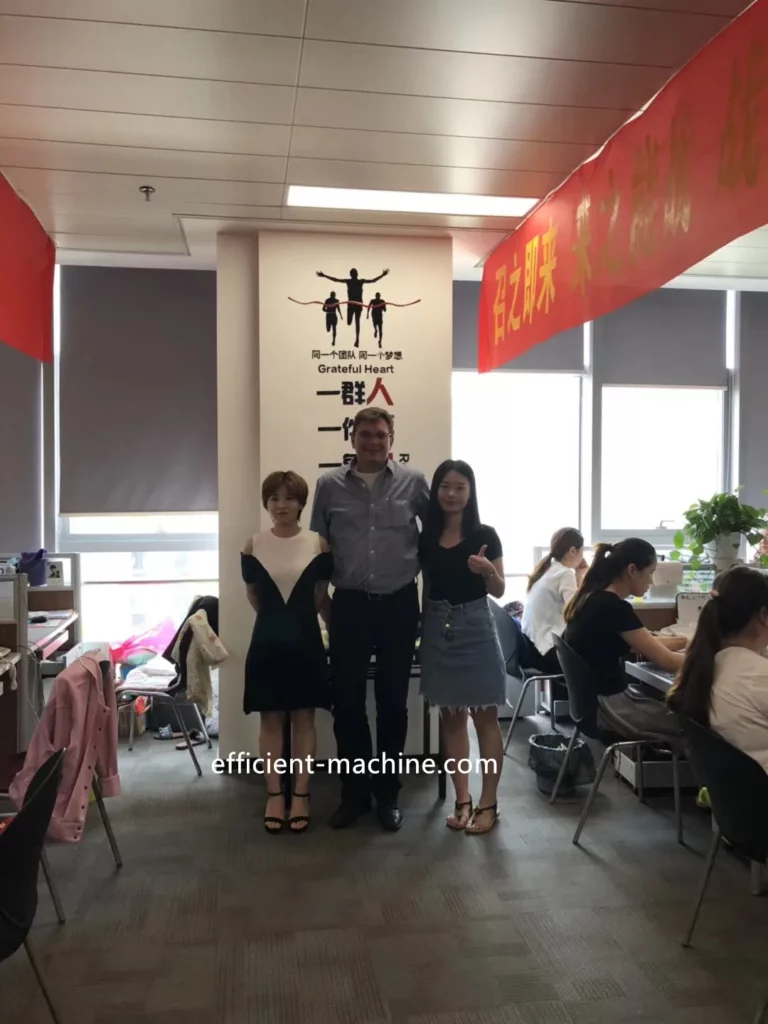
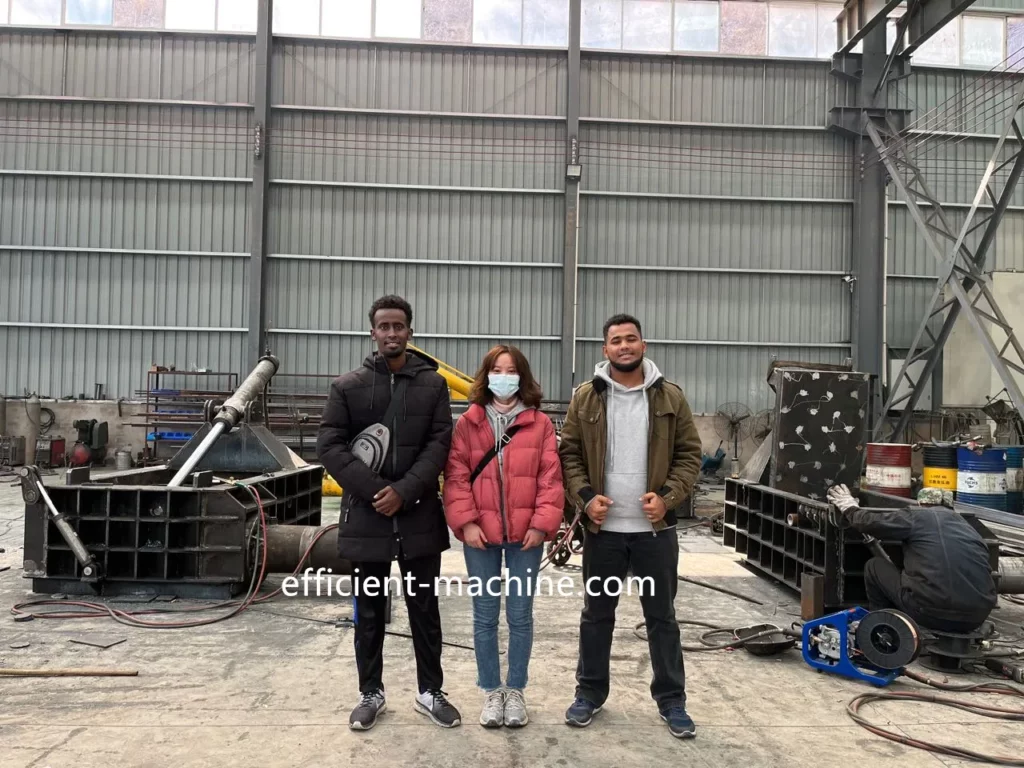
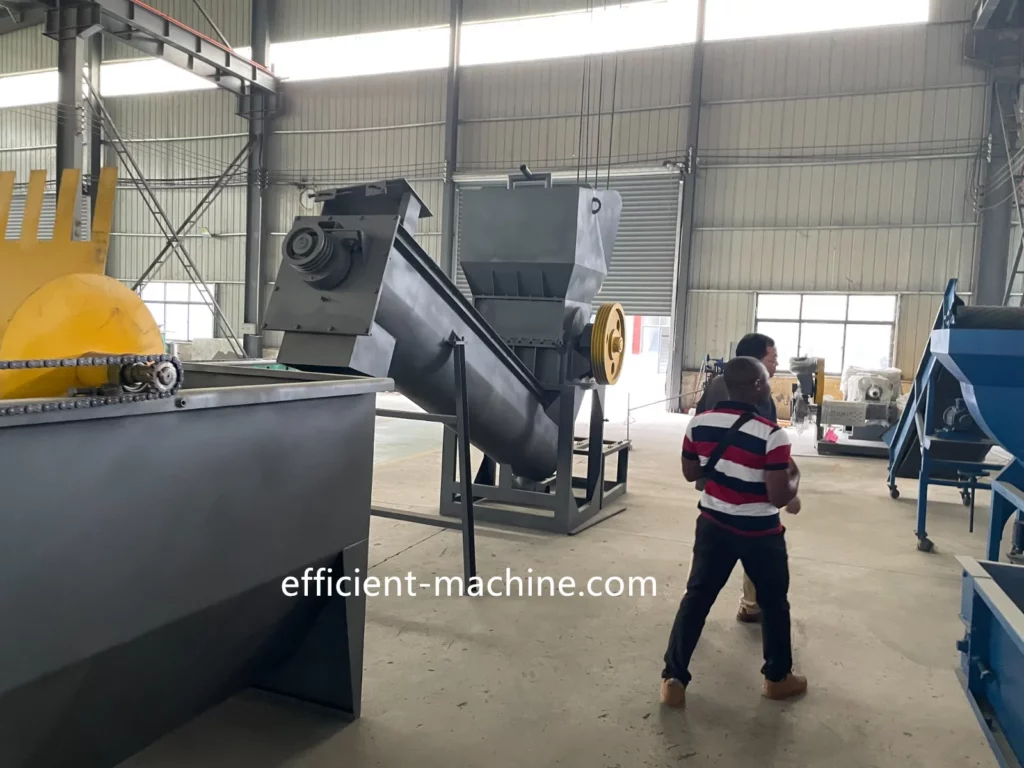
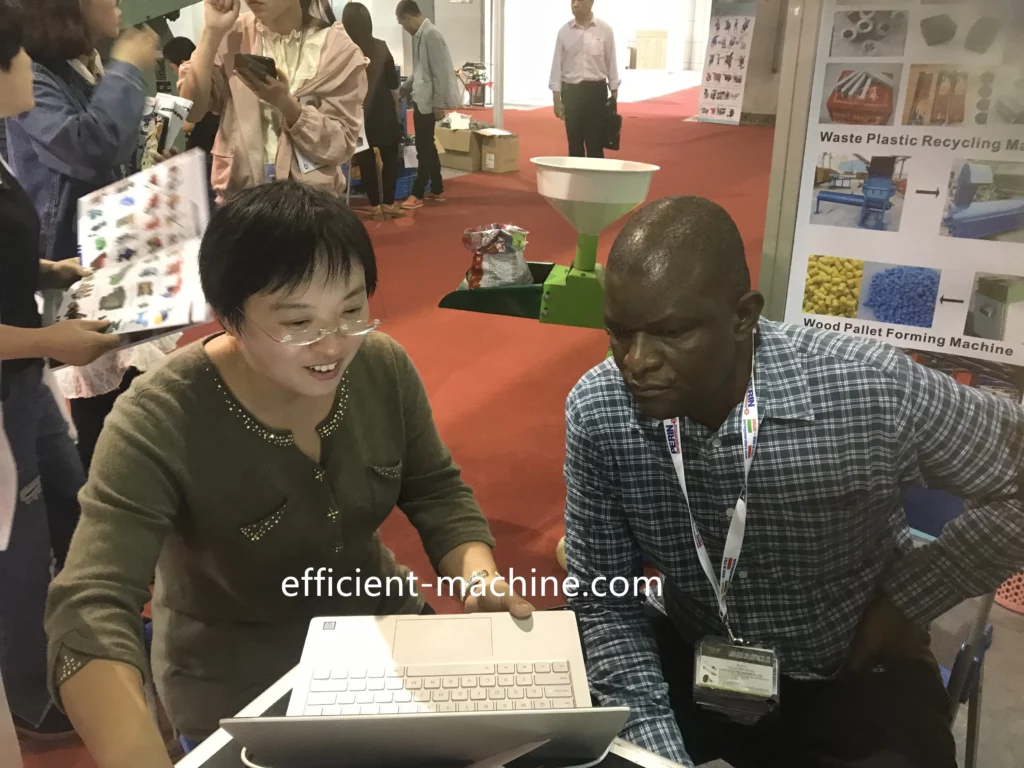
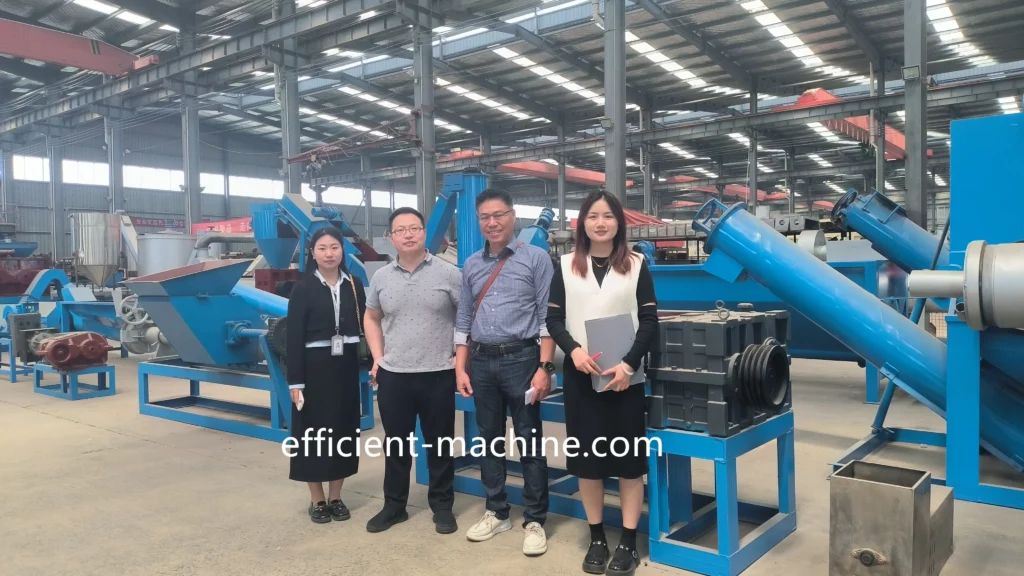
Casos de cooperação bem-sucedidos
Frequently Asked Questions About hard plastic recycling machine
Q1: What is the difference between a hard plastic recycling machine and a soft plastic recycling machine?
Hard plastic recycling machines are designed to process rigid materials such as buckets, crates, pipes, and drums. Soft plastic recycling machines are designed for flexible materials such as plastic films, shopping bags, and woven bags. Their cutting mechanisms, feeding systems, and washing configurations may differ.
Q2: Can a hard plastic recycling machine process both PP and HDPE?
Yes. A suitably configured line can process both PP and HDPE, but the materials should generally be sorted before processing. Different material properties and contamination levels may require adjustments to the equipment and operating parameters. If the budget allows, it is advisable to use specialized machinery to process hard and soft plastics, as this helps minimize complications.
Q3: What is the final product of a hard plastic recycling machine?
The final product can be clean plastic flakes or recycled plastic pellets. The result depends on whether the production line includes only crushing and washing equipment or also includes a pelletizing system.
Q4: How much does a hard plastic recycling machine cost?
The price varies according to processing capacity, automation level, washing requirements, material type, and whether the system includes pelletizing equipment. A small crushing system costs substantially less than a complete automated recycling line.
Q5: Is a hard plastic recycling machine suitable for a recycling business?
It can be suitable for businesses that have access to a consistent supply of recoverable rigid plastic waste and buyers for the recycled output. Before investing, evaluate local raw material prices, electricity costs, labor, transportation, and demand for recycled flakes or pellets.