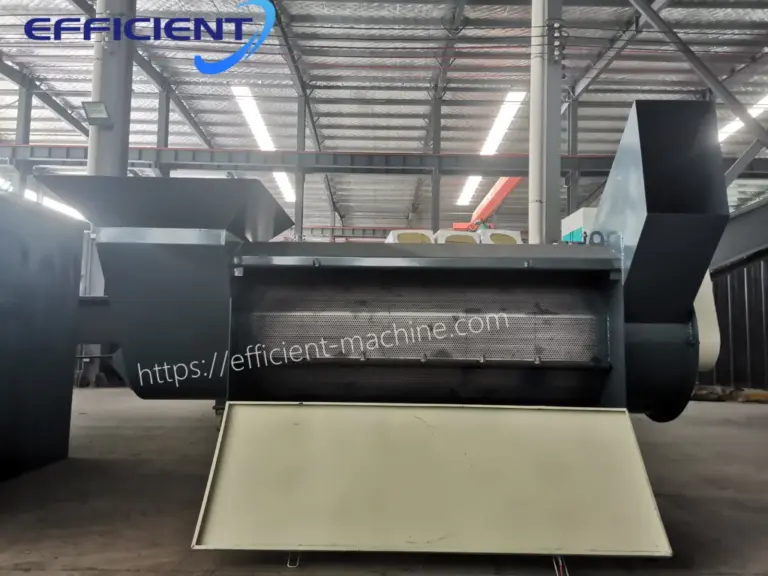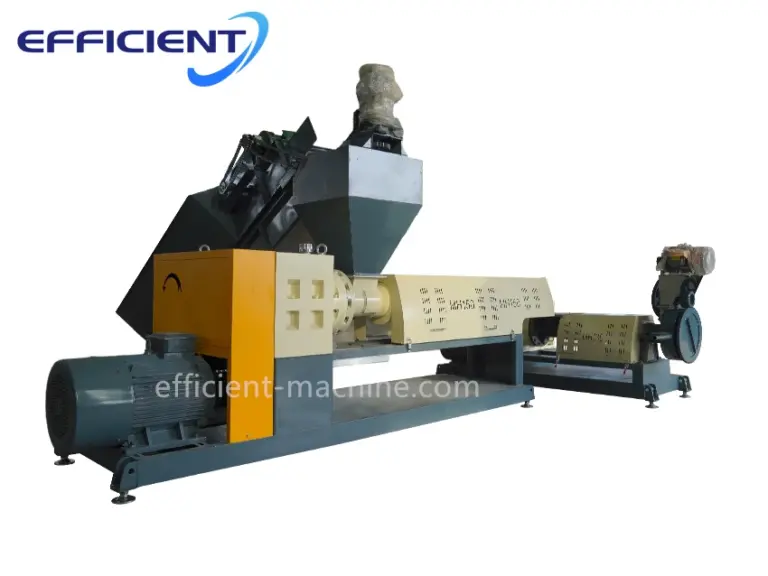
Фрикционная шайба из пластиковых хлопьев
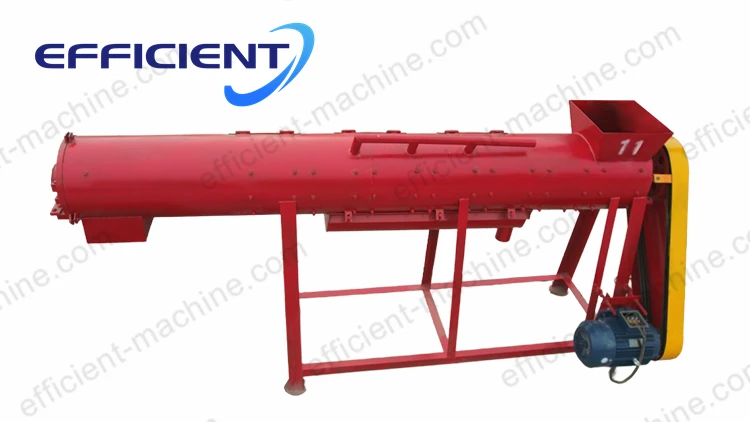
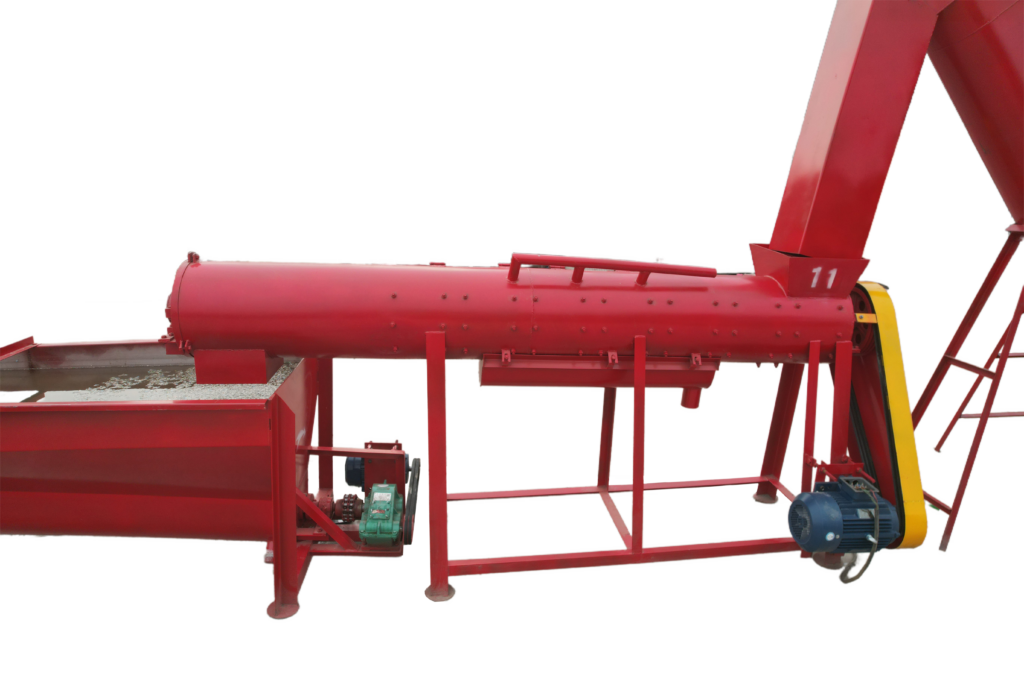
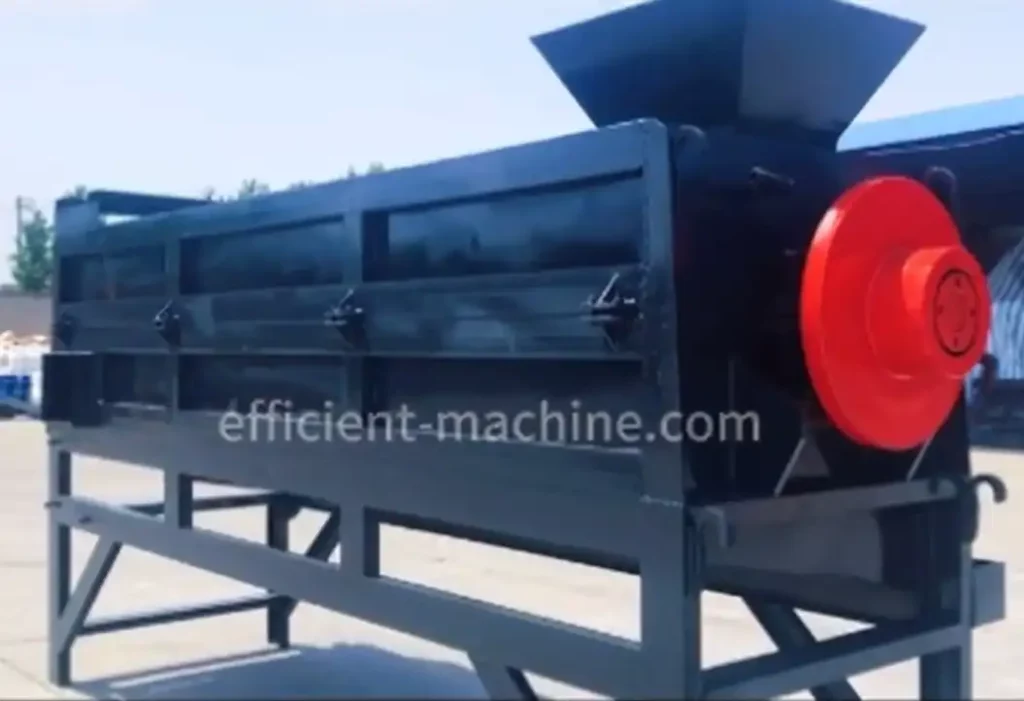
машина шайбы трением пластиковых хлопьев для переработки пластика
| Емкость | 500-100 кг/ч |
| Длина | 3000 мм |
| Власть | 7,5 кВт |
| Выходной слой | 4 мм |
| Толщина лезвия | 6 мм |
Что такое фрикционная стиральная машина?
A plastic flakes friction washer is a high-speed mechanical cleaning machine used in plastic recycling lines to scrub and decontaminate rigid or flexible plastic flakes (such as PET bottle flakes, PE/PP films, and HDPE regrind). By utilizing high-speed centrifugal rotation and water rinsing, it effectively removes stubborn dirt, paper labels, glue residues, oil, and sand without chemical additives.
Фрикционная стиральная машина используется в процессе переработки пластмасс, что является важным шагом для повышения чистоты пластика конечного продукта и повышения экономической ценности конечного продукта.
Высокоскоростная фрикционная моечная машина может удалять грязь, жир и другие загрязнения и загрязняющие вещества с пластиковых хлопьев и пленок, делая сырье из пластиковых хлопьев более чистым, поступающим на следующий процесс обработки. Превратите грязные пластиковые отходы в чистые переработанные пластиковые гранулы.
В бизнесе по переработке отходов стирка является обязательным шагом для повышения ценности желаемых материалов. Распространенными средствами достижения этой цели являются поплавковые резервуары и фрикционные моечные машины.
Каков принцип работы стиральной машины трения?
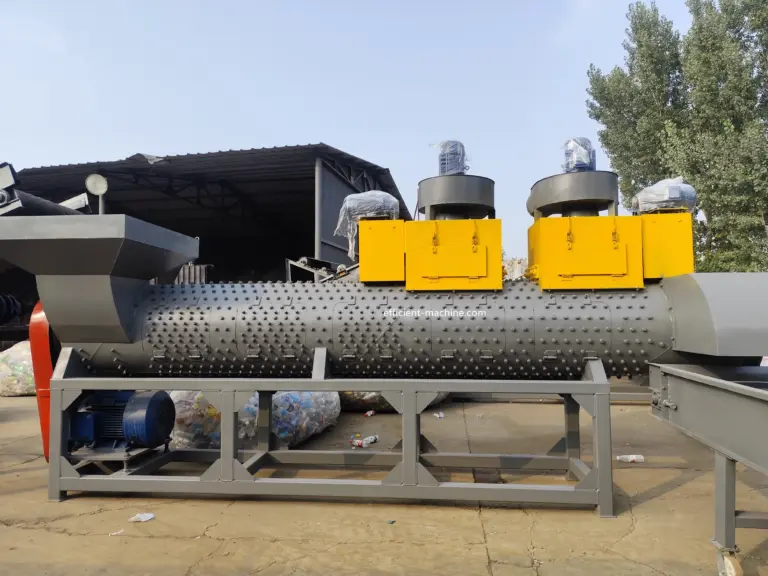
Основными компонентами являются большой ротор с несколькими рядами лопастей, обезвоживающее сито и коллектор очистки для впрыска воды. Фрикционная шайба собрана на наклонной раме.
Лезвия на главном валу толкают материал вперед, быстро вращающийся вал и лопасти транспортируют вверх и ударяют материал о сито, точно так же, как работает стиральная машина. Затем грязь и жир вытесняются из системы и распыляются водяными форсунками. Грязная вода и загрязнения затем сбрасываются в нижнюю часть машины. Очищенные материалы оставляются сверху.
Важность фрикционных стиральных машин
Эффективные фрикционные стиральные машины обычно используются в различных приложениях в промышленных процессах и на предприятиях по переработке отходов. Машины для мойки трением преобразуют грязное сырье из пластиковых отходов в чистое пластиковое сырье, производя переработанные пластиковые гранулы, которые имеют более высокую экономическую ценность, чем пластиковые гранулы, содержащие много примесей, на рынках, где ценится качество продукции.
Особенности фрикционной шайбы?
Фрикционная шайба рассчитана на тяжелые условия эксплуатации и доступна в различных моделях, отличающихся:
Отсутствие закупорки материалов
Холодная стирка
Высокая эффективность очистки
Простое обслуживание
Тщательно мойте пластмассовые материалы.
Компактный дизайн по сравнению с резервуаром для воды
Приложения из Фрикционная шайба
Industrial Applications of Plastic Friction Washers
A plastic friction washer plays a vital role in both post-consumer waste (PCW) and post-industrial scrap (PIS) washing lines. By removing surface impurities through high-speed mechanical scrubbing, it transforms heavily contaminated plastic waste into high-purity flakes suitable for downstream extrusion and pelletizing.
1. PET Bottle Recycling Lines (Rigid Plastics)
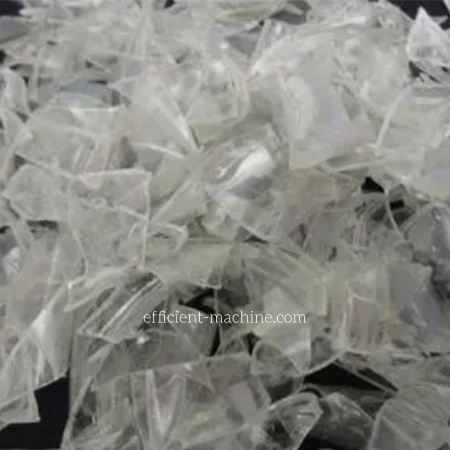
In PET bottle washing plants, removing labels and residual adhesives is critical to achieving fiber-grade or food-grade rPET flakes.
- Target Materials: PET beverage bottles, mineral water bottles, thermoformed PET trays, and clamshell packaging.
- Contaminants Removed: Paper label fibers, water-soluble and hot-melt adhesives (glues), organic beverage residues, soil, and sand.
- Impact on End Product: Ensures low PVC/glue contamination levels, preventing discoloration and carbonization during high-temperature PET yarn or sheet extrusion.
2. PE / PP Agricultural & Post-Consumer Film Washing
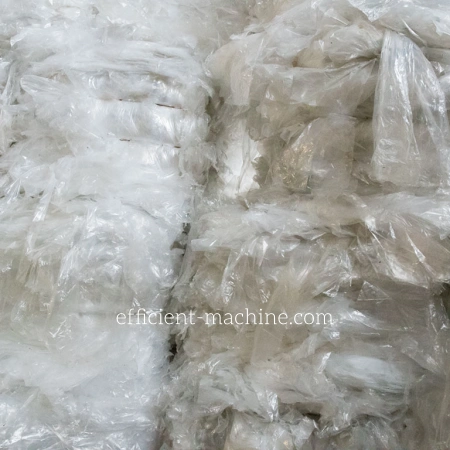
Agricultural and post-consumer soft films are among the most heavily contaminated waste streams, often containing high percentages of sand and organic mud.
- Target Materials: LDPE greenhouse film, mulch film, PP woven bags, jumbo bags (FIBCs), stretch wrap, and shopping bags.
- Contaminants Removed: Heavy agricultural soil, mud, sand, grit, silage residue, and surface oil stains.
- Impact on End Product: Protects downstream dewatering machines and pelletizing extruders from abrasive wear, significantly extending screen-changer and screw lifespan.
3. HDPE & PP Rigid Container Regrind Washing
Rigid containers used for household chemicals, personal care products, and industrial liquids require deep surface cleaning before remolding.
- Target Materials: HDPE milk jugs, detergent bottles, PP oil drums, plastic crates, battery cases, and chemical containers.
- Contaminants Removed: Chemical residues, greases, printing inks, dirt, and paper labels.
- Impact on End Product: Eliminates unpleasant odors and volatile organic compounds (VOCs), producing high-purity regrind for pipe extrusion and injection molding.
4. Post-Industrial Scrap (PIS) & Electronic Waste Recovery
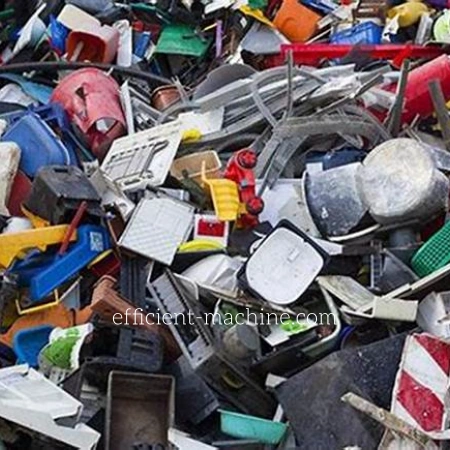
In factory-floor scrap recovery and e-waste recycling, friction washers are utilized to clean shredded plastic components contaminated during storage or disassembly.
- Target Materials: ABS/PS housings from electronic waste (WEEE), automotive bumper offcuts, purge materials, and scrap pipes.
- Contaminants Removed: Machine oil, industrial dust, metal dust fines, and rubber particles.
- Impact on End Product: Restores baseline polymer purity, allowing manufacturers to reintroduce scrap back into primary production lines without sacrificing structural integrity.
Frequently Asked Questions (FAQ) About Plastic Flakes Friction Washer
1. What is the difference between a friction washer and a sink-float separation tank?
A sink-float tank uses liquid density differences to separate different plastic types (e.g., PP/PE floating vs. PET sinking). A friction washer does not separate plastics by density; instead, it uses high-speed mechanical scrubbing to remove physical contaminants (glue, dirt, paper) attached to the flake surfaces.
2. Does the friction washer require hot water or chemicals?
For general dirt, mud, and sand, cold water rinsing is sufficient. However, for PET bottle recycling or materials with heavy oil/glue, integrating hot water with a mild caustic soda solution into the friction washer dramatically improves washing efficiency.
3. How do I prevent the screen mesh from getting blocked by soft plastic films?
We offer specialized Film Friction Washers featuring an adjusted rotor angle, increased water spray pressure, and customized mesh geometries specifically designed to prevent thin LDPE/PP agricultural films from wrapping around the shaft.
Каковы важные основные компоненты фрикционной шайбы?
Главный вал, лопасти и уникальное шестиугольное сито помогают увеличить силу трения.
Upgrade Your Plastic Washing Line Today
Maximize flake purity and protect your downstream extruders from abrasive wear. Contact our recycling engineers today for a custom washing line layout and factory-direct pricing.