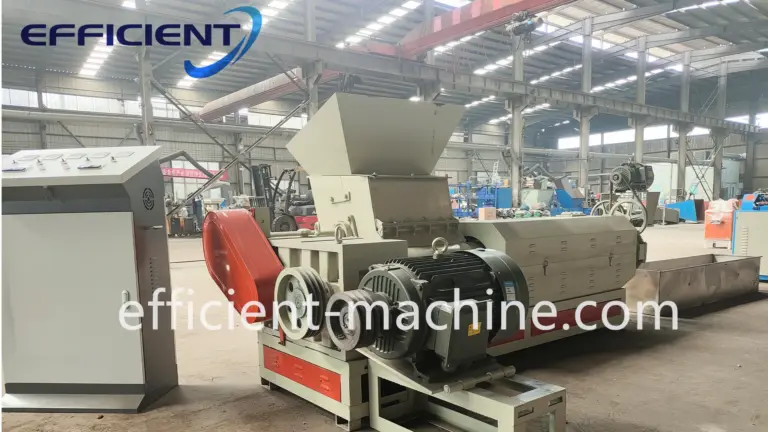
آلة إعادة تدوير البلاستيك الصلب


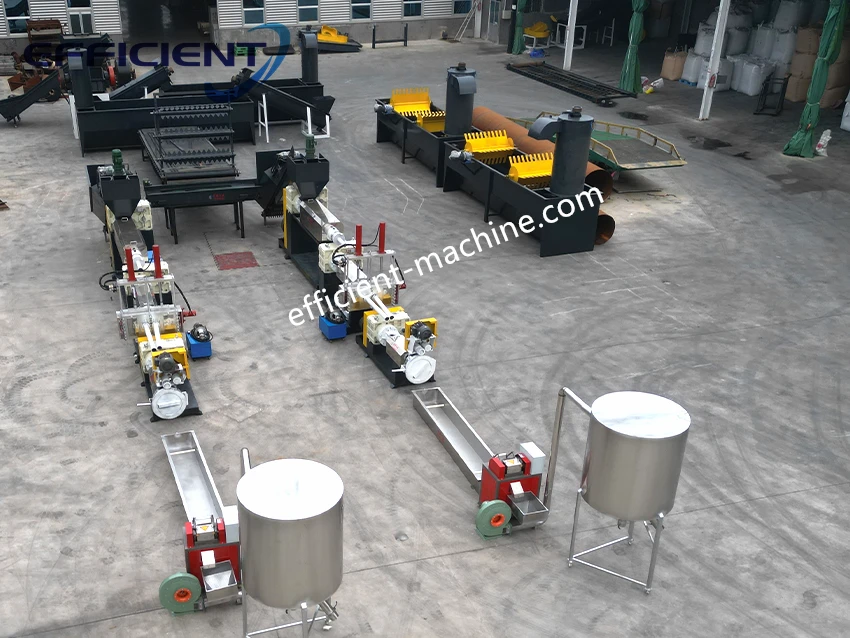

What is A Hard Plastic Recycling Machine?
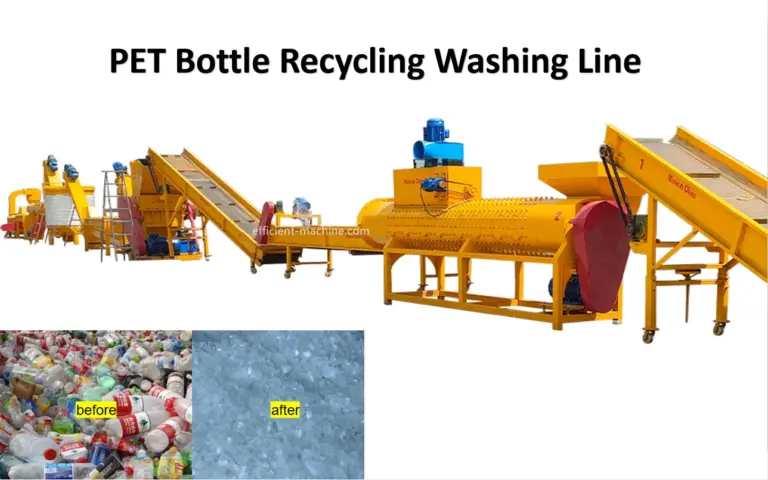
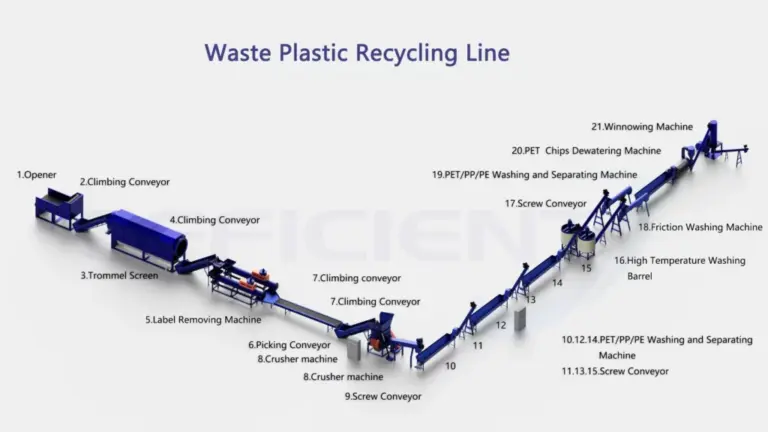
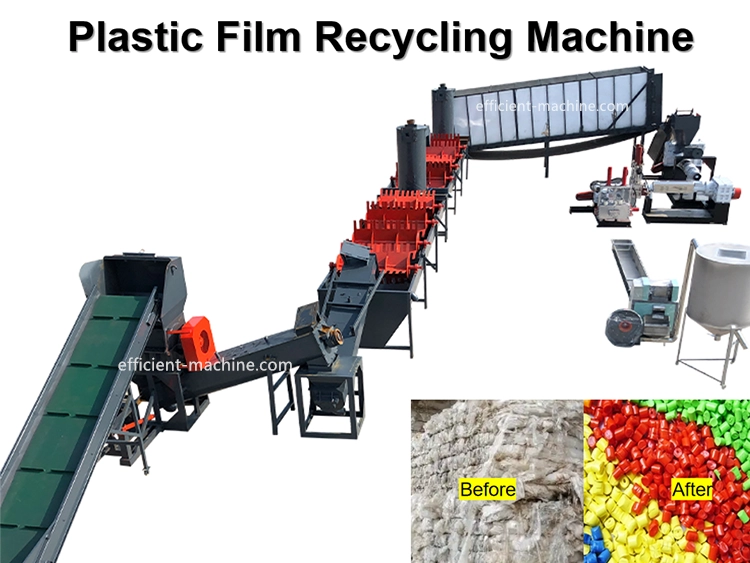
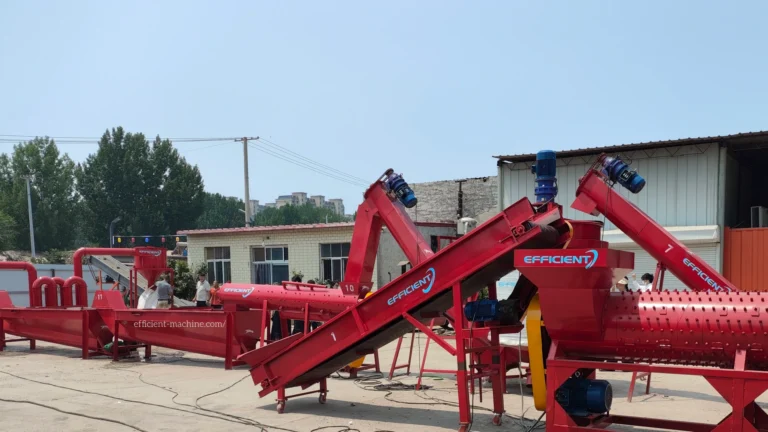
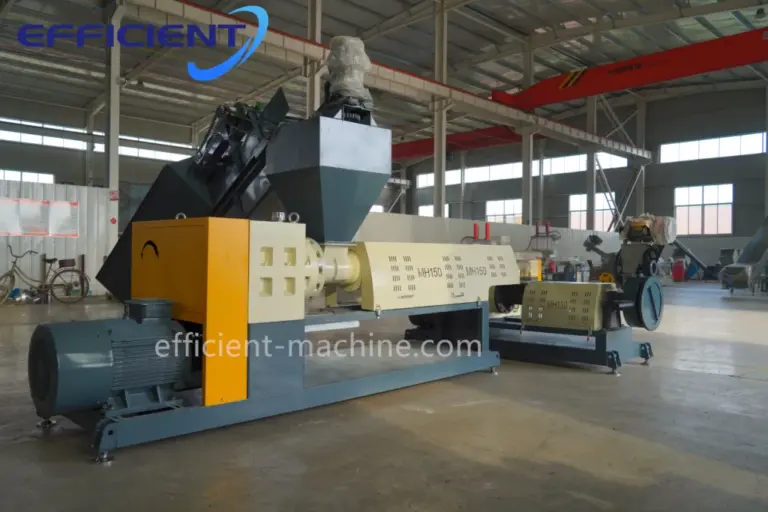
Rigid plastic recycling machine refers to a type of machine used to recycle rigid plastics, which undergoes a series of processes including plastic classification, cleaning and crushing, melting and extruding into strips, cooling, and plastic strip pelletizing to become recycled plastic particles. The main machines include: conveyor belt,plastic crusher, rinsing tank, plastic dewatering machine, conveyor, plastic pelletizing machine(plastic extruder), cooling tank, Plastic pelletizer, and other auxiliary machines, components.
السعة: 100 كجم/ساعة، 200 كجم/ساعة، 300 كجم/ساعة، 500-800 كجم/ساعة.
طول الجسيمات: 4 مم (تقليدي)، يمكن تخصيصها.
قطر الجسيمات: 3 مم (تقليدي)، يمكن تخصيصها.
الضمان: 1 سنة.
المواد الخام: اللدائن الهندسية، الأبواب والنوافذ البلاستيكية، أنابيب الصرف الصحي، أنابيب تصريف الكابلات، المقابس الكهربائية، أغلفة الأجهزة الكهربائية إلخ.
تطبيق آلة إعادة تدوير البلاستيك الصلب


تستخدم آلة إعادة تدوير البلاستيك الصلب على نطاق واسع في نفايات الألعاب، والأثاث، وقطع غيار السيارات، وحاويات النفايات البلاستيكية (براميل النفايات البلاستيكية، والعلب البلاستيكية، وزجاجات الحليب البلاستيكية النفايات، وزجاجات العصير البلاستيكية النفايات)، إلخ.
أنواع البلاستيك الصلب
هناك أنواع عديدة من البلاستيك الصلب القابل لإعادة التدوير، مثل:
PP: مادة البولي بروبيلين، تستخدم في أحواض السمن وحاويات الزبادي وبعض أدوات المائدة البلاستيكية.
HDPE: بولي إيثيلين عالي الكثافة، يستخدم في صناعة أباريق الحليب وزجاجات المنظفات وبعض الألعاب.
LDPE: بولي إيثيلين منخفض الكثافة، يستخدم في صناعة الأكياس البلاستيكية والزجاجات القابلة للعصر وبعض عبوات المواد الغذائية.
PVC: كلوريد البولي فينيل، يستخدم للأنابيب والأرضيات وإطارات النوافذ وبعض عبوات المواد الغذائية.
ملاحظة: البوليسترين، يستخدم للأكواب والأطباق وأدوات المائدة التي تستخدم لمرة واحدة.
PET: بولي إيثيلين تيريفثاليت، يستخدم في زجاجات المياه وزجاجات الصودا وبعض حاويات المواد الغذائية. (بالنسبة للزجاجات البلاستيكية PET، نحن نقدم خطوط إنتاج احترافية لإعادة تدوير زجاجات PET، تعرف على المزيد).
أخرى: أي نوع آخر من البلاستيك الصلب غير ما سبق.
من خلال إعادة تدوير المواد البلاستيكية الصلبة، يمكننا المساعدة في تقليل كمية النفايات التي تذهب إلى مدافن النفايات والمحارق. يمكننا أيضًا المساعدة في الحفاظ على الموارد الطبيعية وحماية بيئة الأرض.
How Does a Hard Plastic Recycling Machine Work?
 آلة إعادة تدوير البلاستيك الصلب
The recycling process generally follows these steps:
Step 1: Waste Plastic Collection and Sorting
Separate different plastic types and remove unsuitable materials.
Step 2: Shredding and Crushing
Reduce rigid plastic waste into smaller pieces or flakes.
Step 3: Washing and Separation
Remove contaminants and separate materials when appropriate.
Step 4: Dewatering and Drying
Reduce moisture to meet downstream processing requirements.
Step 5: Final Product
Clean recycled plastic flakes, or recycled pellets if an extrusion system is installed.
Not every recycling project requires all five stages. For example, a plant producing clean HDPE flakes may not need a pelletizing machine, while a plant selling recycled plastic granules will generally need an appropriate extrusion and pelletizing system.
What Are the Advantages of a Hard Plastic Recycling Machine?
- Efficient waste processing: Mechanical processing reduces bulky rigid plastic waste into manageable sizes.
- Resource recovery: Recycled flakes and pellets can replace a portion of virgin plastic in suitable applications.
- Reduced waste disposal: Recycling diverts recoverable plastic from landfills and other disposal routes.
- Flexible applications: Equipment can be configured for different materials, including PP and HDPE.
- Commercial value: Clean, properly sorted recycled plastic can be sold to manufacturers as a secondary raw material.
Actual production capacity, energy consumption, and operating costs depend on the plastic material, machine specifications, and plant configuration.
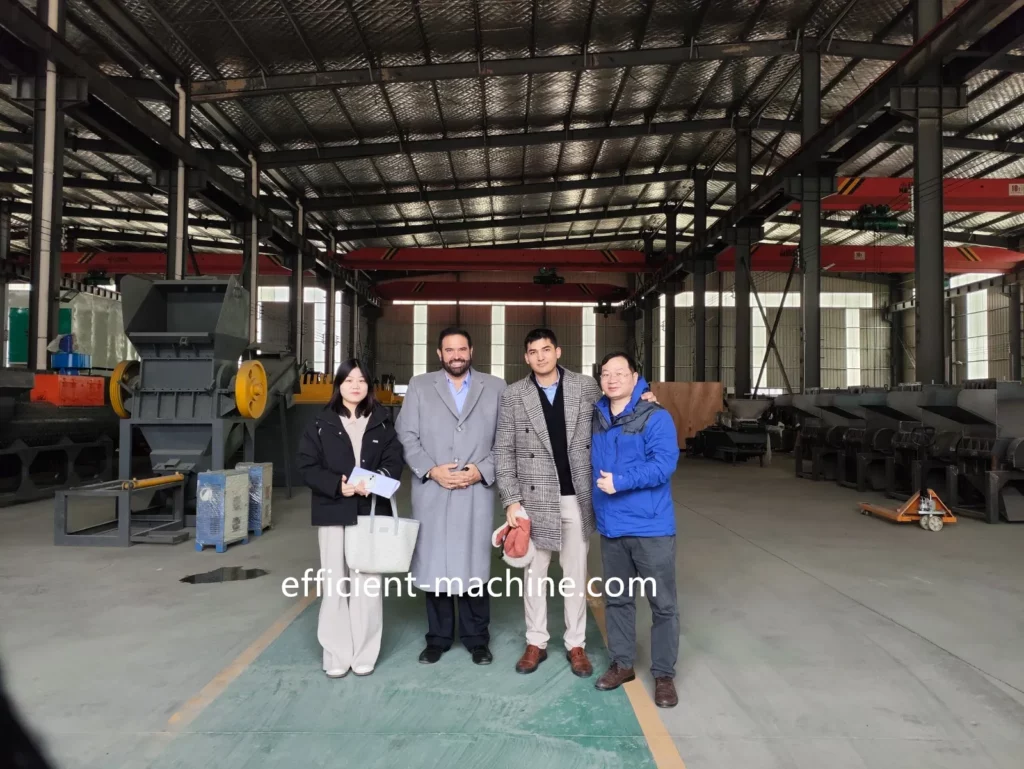
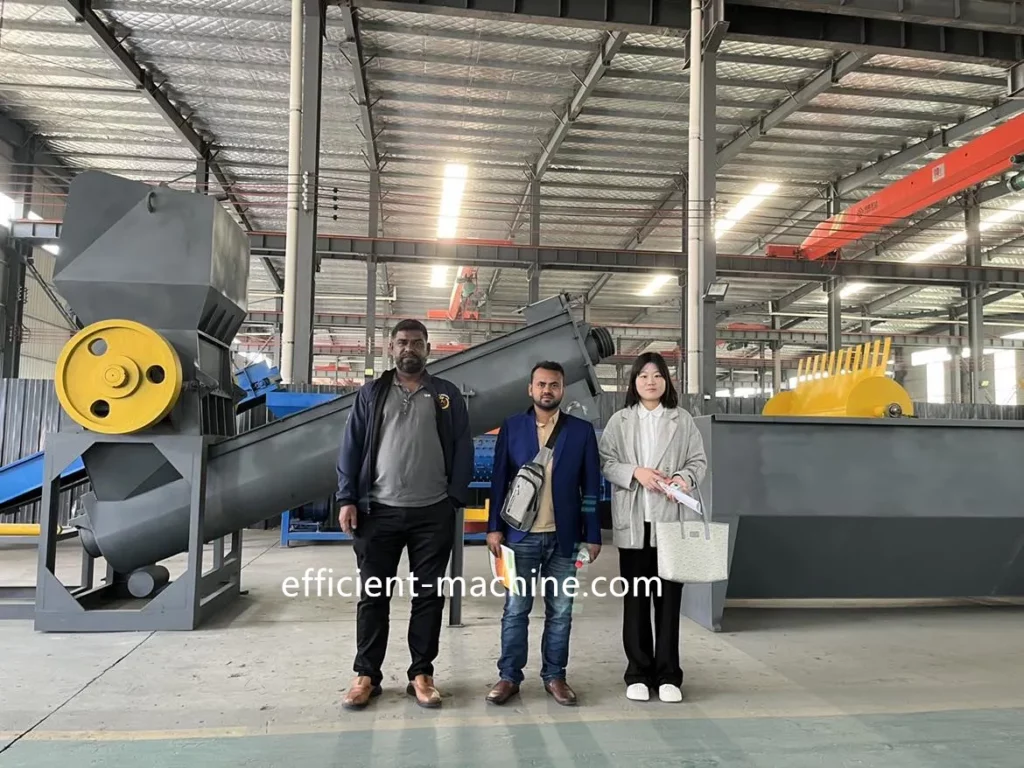
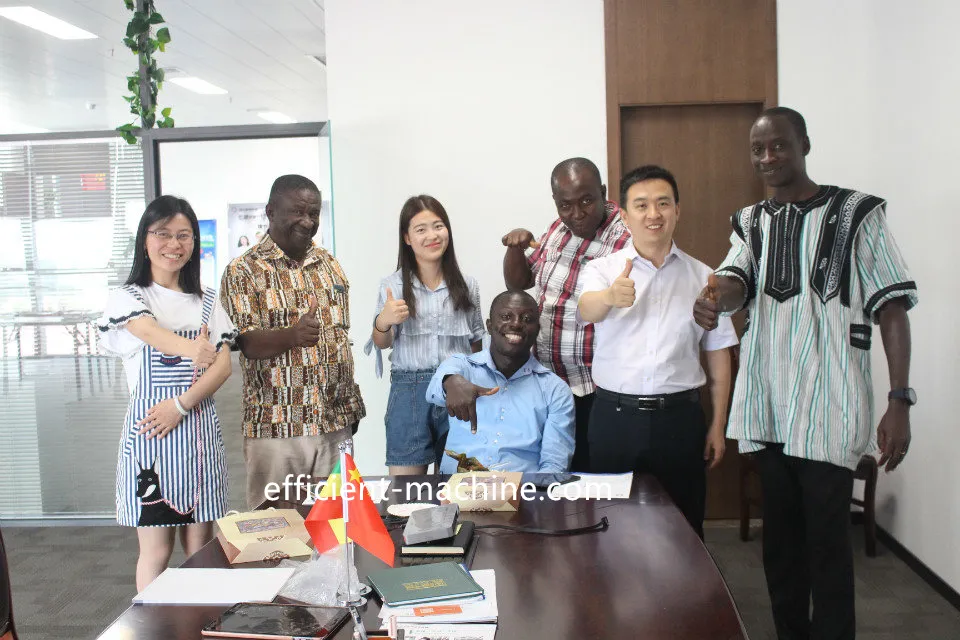
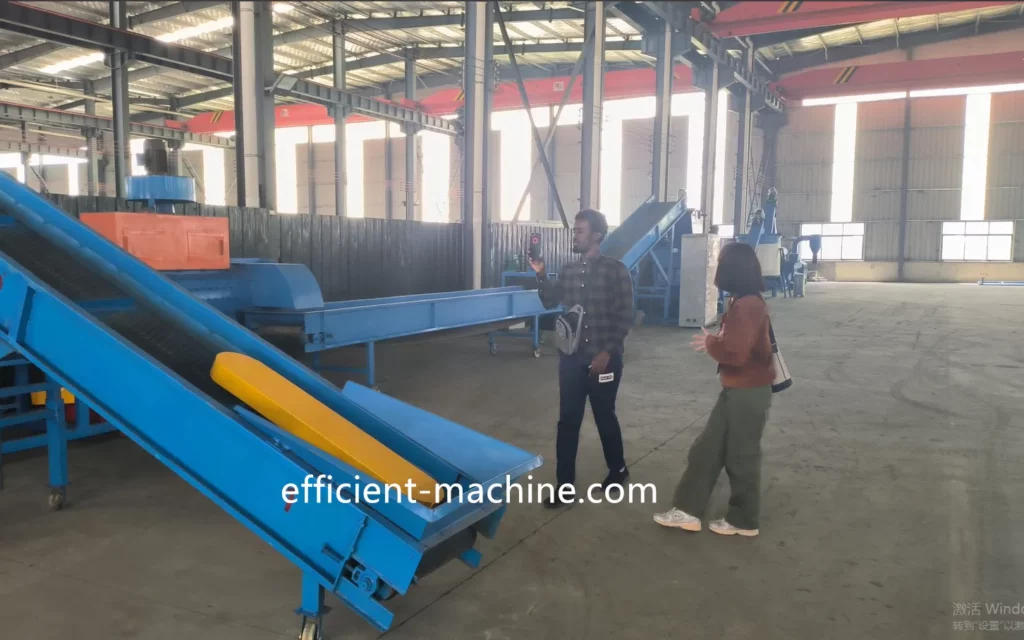
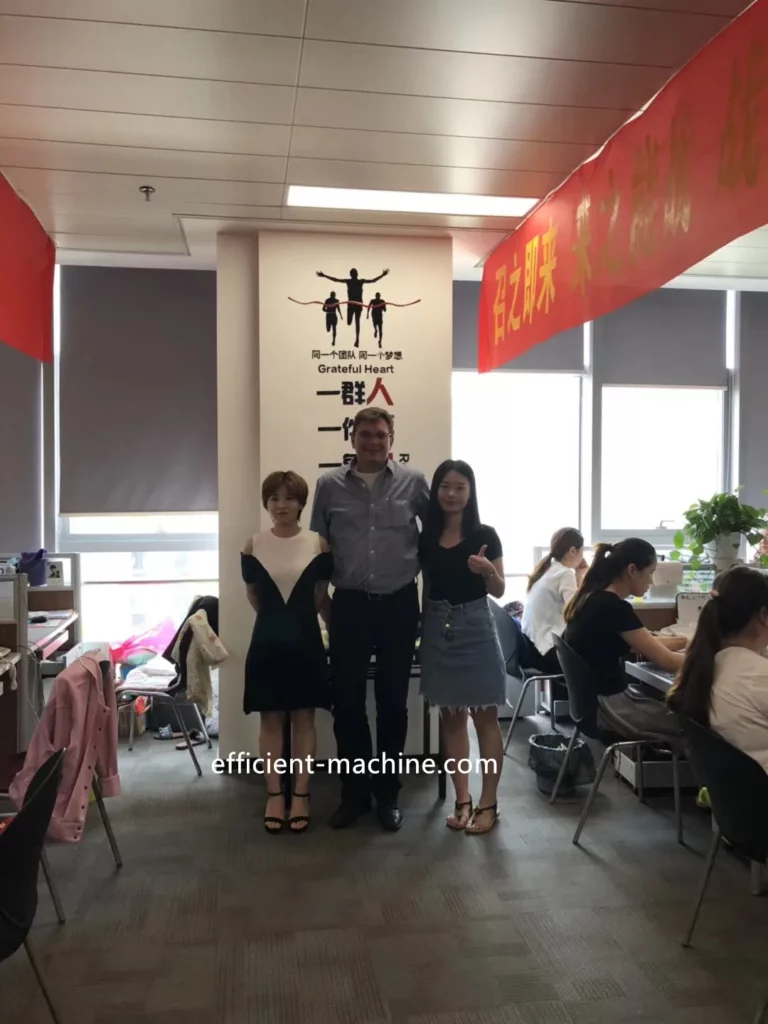
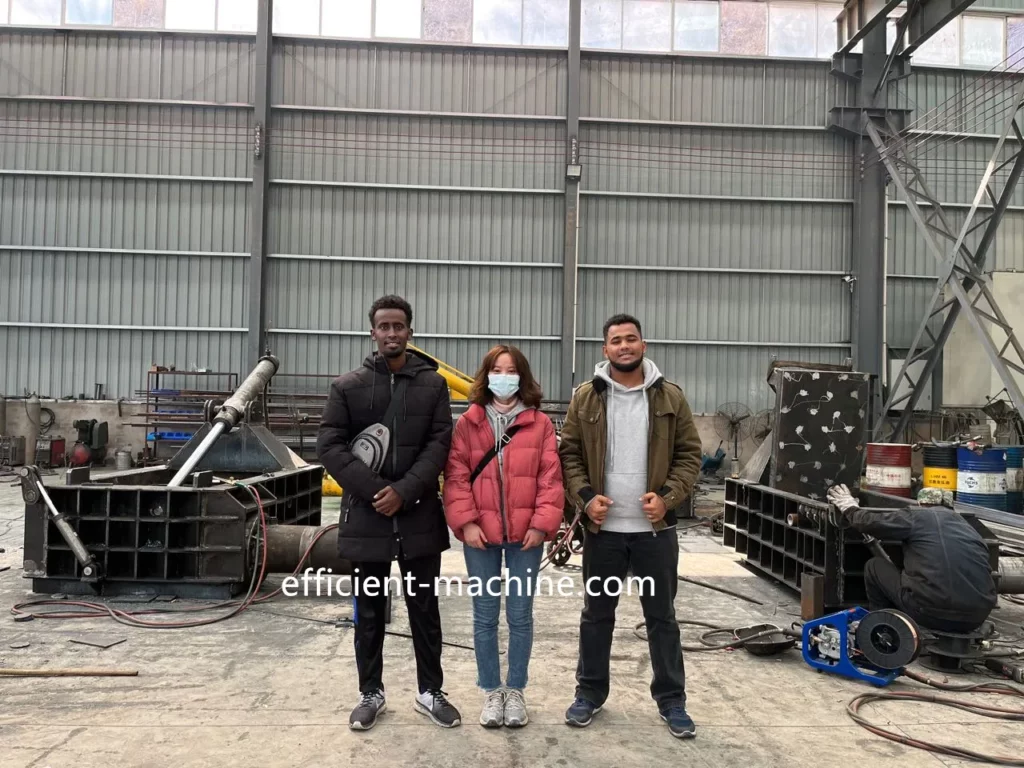
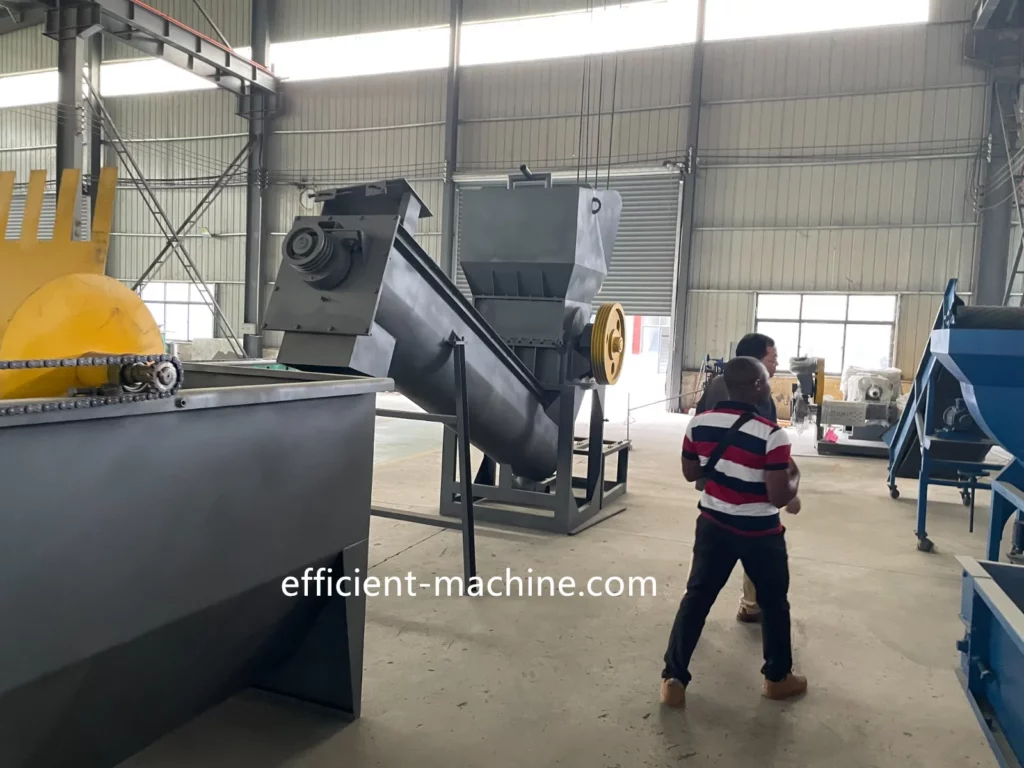
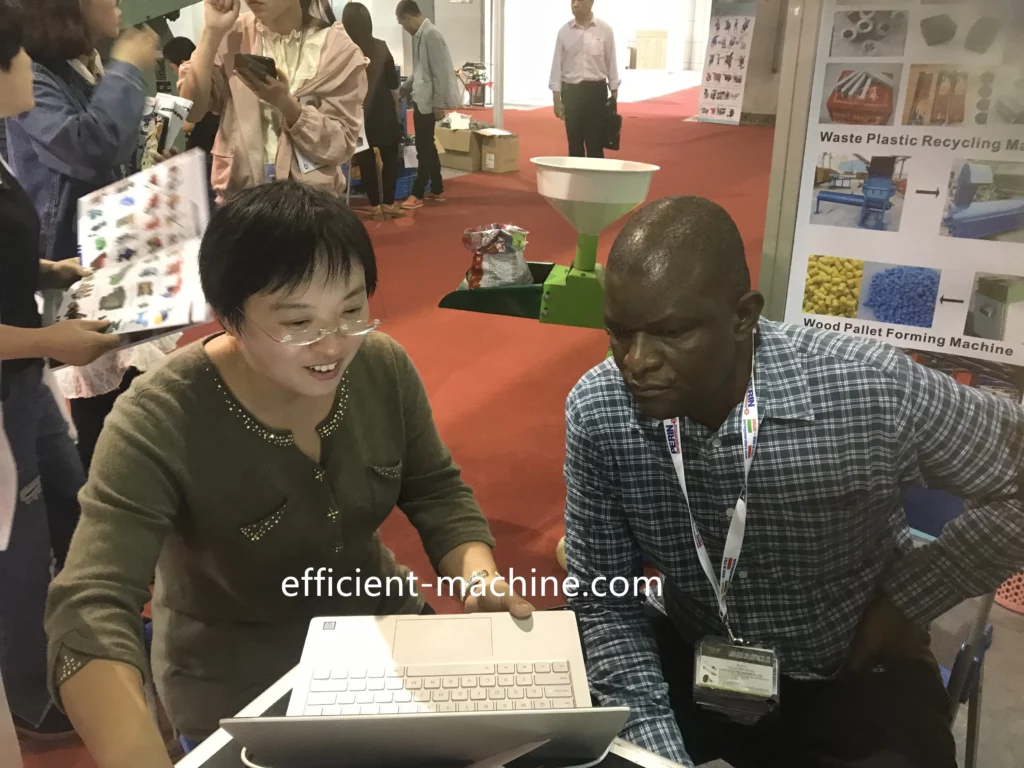
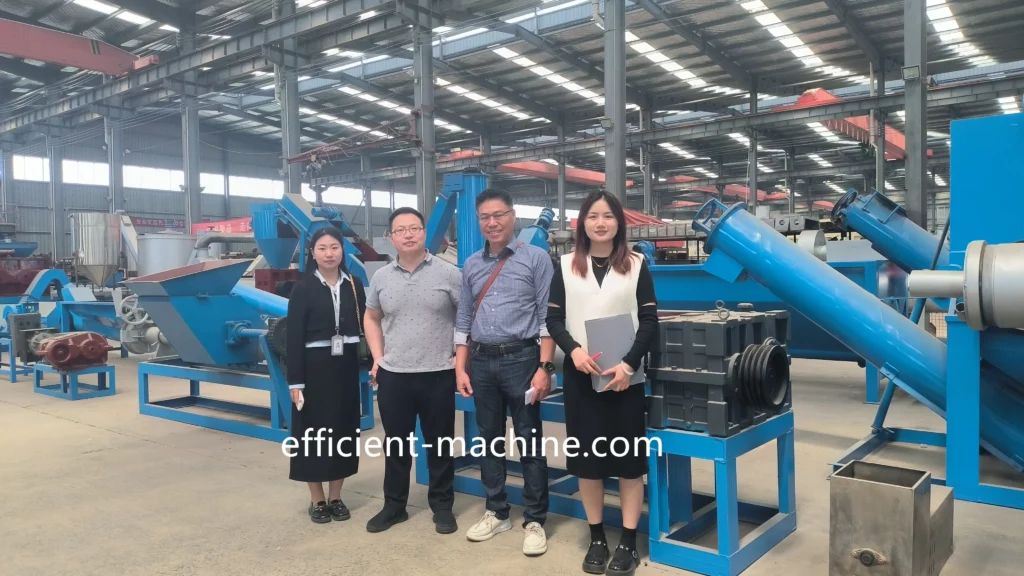
حالات التعاون الناجح
Frequently Asked Questions About hard plastic recycling machine
Q1: What is the difference between a hard plastic recycling machine and a soft plastic recycling machine?
Hard plastic recycling machines are designed to process rigid materials such as buckets, crates, pipes, and drums. Soft plastic recycling machines are designed for flexible materials such as plastic films, shopping bags, and woven bags. Their cutting mechanisms, feeding systems, and washing configurations may differ.
Q2: Can a hard plastic recycling machine process both PP and HDPE?
Yes. A suitably configured line can process both PP and HDPE, but the materials should generally be sorted before processing. Different material properties and contamination levels may require adjustments to the equipment and operating parameters. If the budget allows, it is advisable to use specialized machinery to process hard and soft plastics, as this helps minimize complications.
Q3: What is the final product of a hard plastic recycling machine?
The final product can be clean plastic flakes or recycled plastic pellets. The result depends on whether the production line includes only crushing and washing equipment or also includes a pelletizing system.
Q4: How much does a hard plastic recycling machine cost?
The price varies according to processing capacity, automation level, washing requirements, material type, and whether the system includes pelletizing equipment. A small crushing system costs substantially less than a complete automated recycling line.
Q5: Is a hard plastic recycling machine suitable for a recycling business?
It can be suitable for businesses that have access to a consistent supply of recoverable rigid plastic waste and buyers for the recycled output. Before investing, evaluate local raw material prices, electricity costs, labor, transportation, and demand for recycled flakes or pellets.