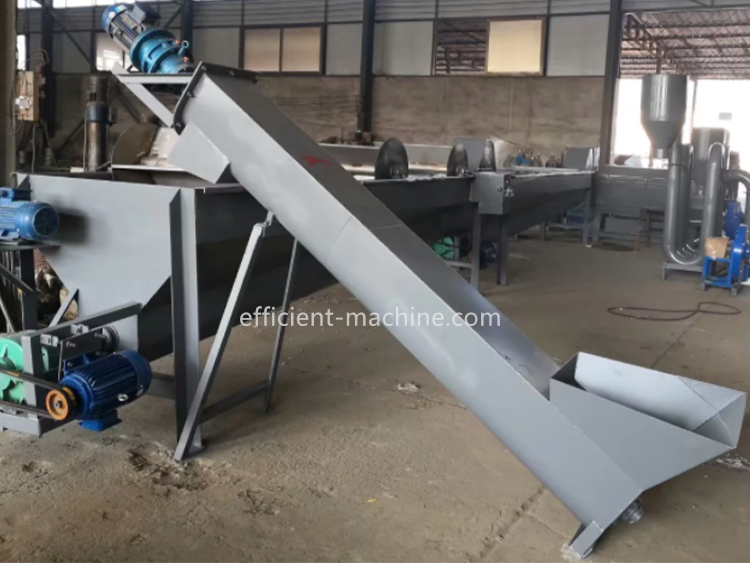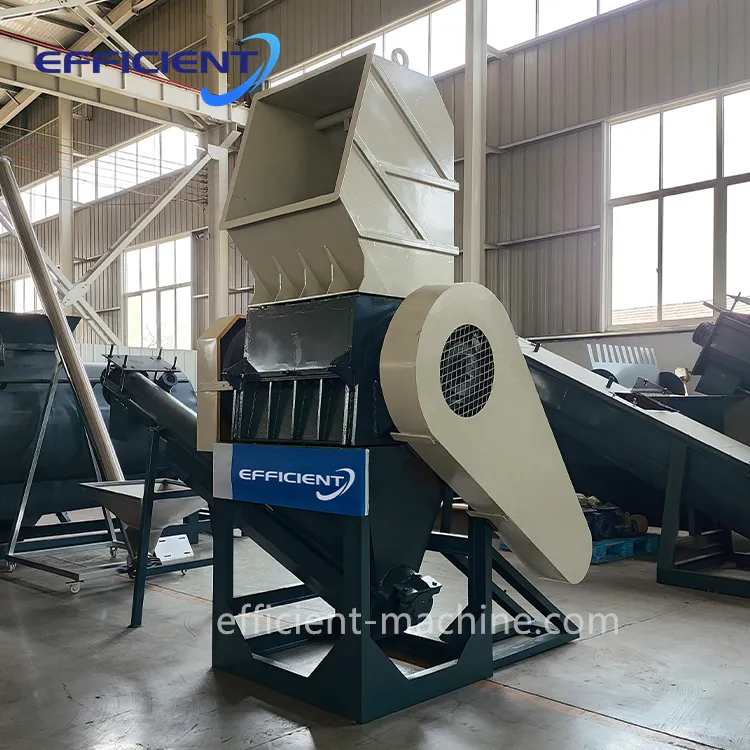
Plastic Flakes Friction Washer
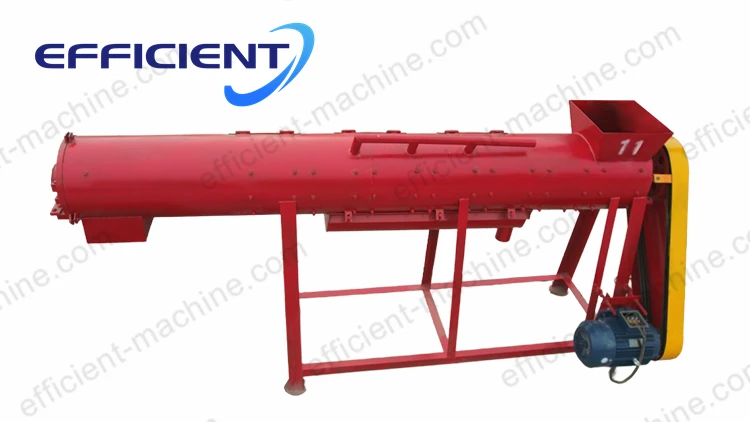
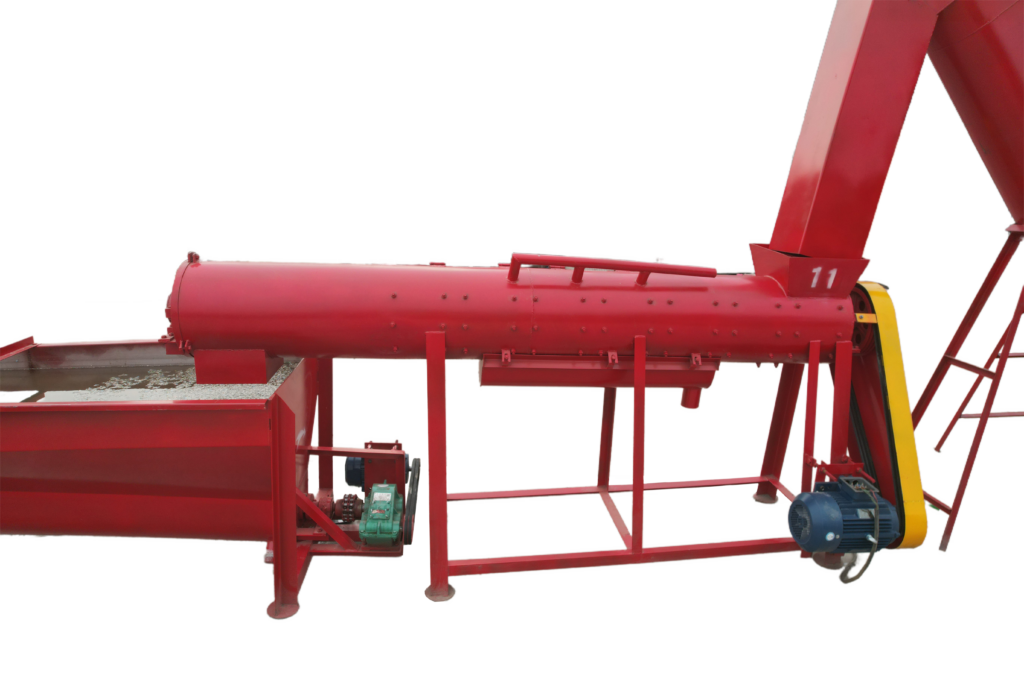
plastic Flakes Friction Washer Machine For plastic recycle
| Capacity | 500-100kg/h |
| Length | 3000mm |
| Power | 7.5kw |
| Out Layer | 4mm |
| Blade Thickness | 6mm |
What Is Friction Washing machine?
A plastic flakes friction washer is a high-speed mechanical cleaning machine used in plastic recycling lines to scrub and decontaminate rigid or flexible plastic flakes (such as PET bottle flakes, PE/PP films, and HDPE regrind). By utilizing high-speed centrifugal rotation and water rinsing, it effectively removes stubborn dirt, paper labels, glue residues, oil, and sand without chemical additives.
Friction washing machine is used in the plastic recycling process, which is an important step to improve the purity of the end product plastic and enhance the economic value of the end product.
The high-speed friction washing machine can remove dirt, grease, and other dirt and pollutants from plastic flakes and films, making the plastic flake raw materials entering the next processing process cleaner. Transform dirty plastic waste into clean recycled plastic pellets.
In the recycling business, washing is an imperative step to increase the value of the desired materials. Sink-float tanks and friction washing machines are the common means to achieve this goal.
What Is Working Principle Of friction Washing Machine?
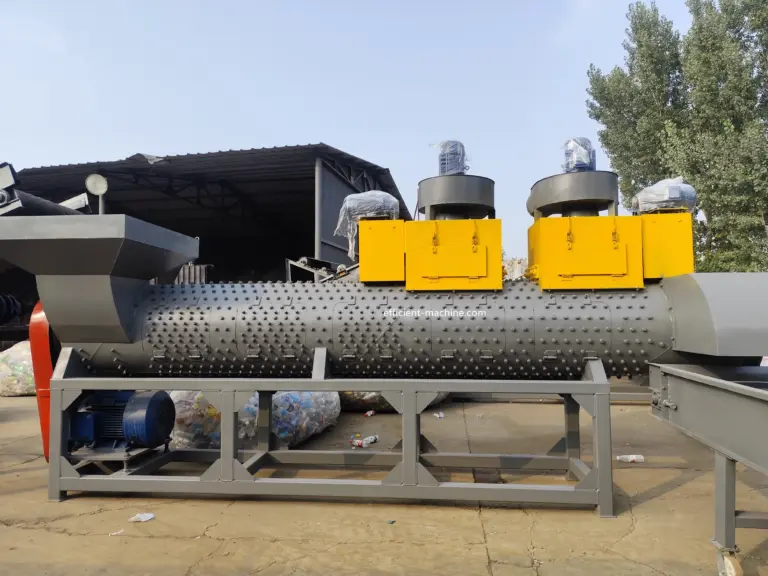
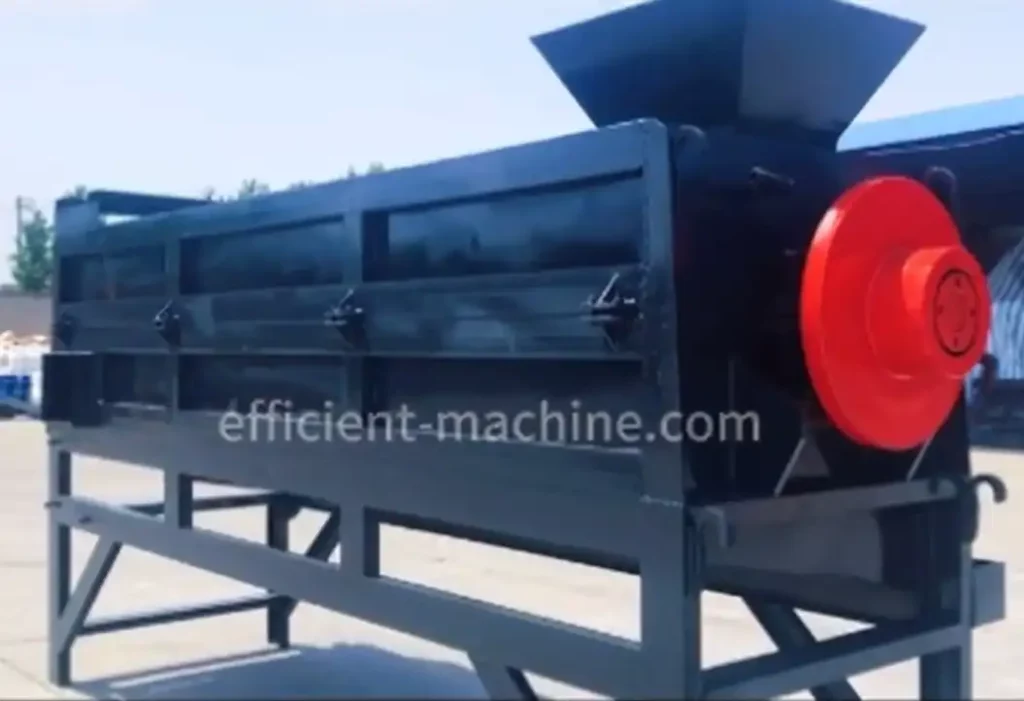
The main components are the large rotor with several arrays of paddles, dewatering screen and cleaning manifold for water injection. The Friction Washer is accumulated on an inclined frame.
The blades on the main shaft push the material forward,the fast-rotating shaft and paddles transport up and hit the materials against the screen, just like how a laundry machine works. Dirt and grease are then driven out of the system, and sprayed away by water nozzles. The dirty water and contaminant then discharge at the bottom of the machine. The cleaned materials leave at the top.
Importance Of Friction Washing Machines
Efficient Machine friction washing machines are commonly used in various applications in industrial processes and recycling businesses. Friction washing machines convert dirty waste plastic waste raw materials into clean plastic raw materials, producing recycled plastic pellets that have a higher economic value than plastic pellets containing a lot of impurities in markets that value product quality.
Features Of Friction Washer?
The friction washer is heavy duty and available in various models, featuring:
No blockage of materials
Cold wash
Highly efficient to clean
Easy maintenance
Rigorously wash plastic materials
Compact design comparing water tank
Applications of Friction Washer
Industrial Applications of Plastic Friction Washers
A plastic friction washer plays a vital role in both post-consumer waste (PCW) and post-industrial scrap (PIS) washing lines. By removing surface impurities through high-speed mechanical scrubbing, it transforms heavily contaminated plastic waste into high-purity flakes suitable for downstream extrusion and pelletizing.
1. PET Bottle Recycling Lines (Rigid Plastics)
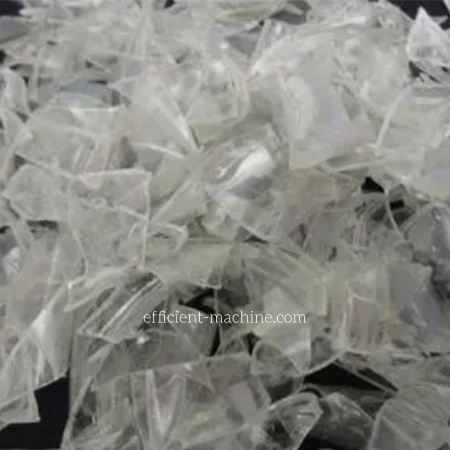
In PET bottle washing plants, removing labels and residual adhesives is critical to achieving fiber-grade or food-grade rPET flakes.
- Target Materials: PET beverage bottles, mineral water bottles, thermoformed PET trays, and clamshell packaging.
- Contaminants Removed: Paper label fibers, water-soluble and hot-melt adhesives (glues), organic beverage residues, soil, and sand.
- Impact on End Product: Ensures low PVC/glue contamination levels, preventing discoloration and carbonization during high-temperature PET yarn or sheet extrusion.
2. PE / PP Agricultural & Post-Consumer Film Washing
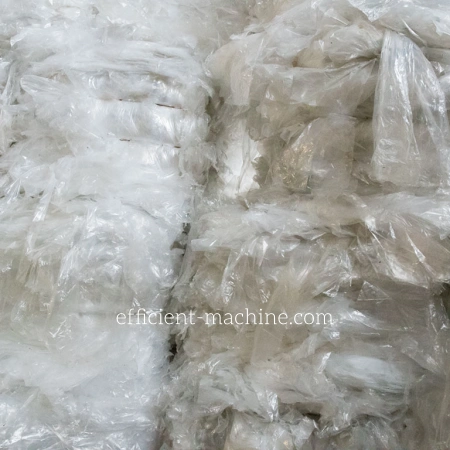
Agricultural and post-consumer soft films are among the most heavily contaminated waste streams, often containing high percentages of sand and organic mud.
- Target Materials: LDPE greenhouse film, mulch film, PP woven bags, jumbo bags (FIBCs), stretch wrap, and shopping bags.
- Contaminants Removed: Heavy agricultural soil, mud, sand, grit, silage residue, and surface oil stains.
- Impact on End Product: Protects downstream dewatering machines and pelletizing extruders from abrasive wear, significantly extending screen-changer and screw lifespan.
3. HDPE & PP Rigid Container Regrind Washing
Rigid containers used for household chemicals, personal care products, and industrial liquids require deep surface cleaning before remolding.
- Target Materials: HDPE milk jugs, detergent bottles, PP oil drums, plastic crates, battery cases, and chemical containers.
- Contaminants Removed: Chemical residues, greases, printing inks, dirt, and paper labels.
- Impact on End Product: Eliminates unpleasant odors and volatile organic compounds (VOCs), producing high-purity regrind for pipe extrusion and injection molding.
4. Post-Industrial Scrap (PIS) & Electronic Waste Recovery
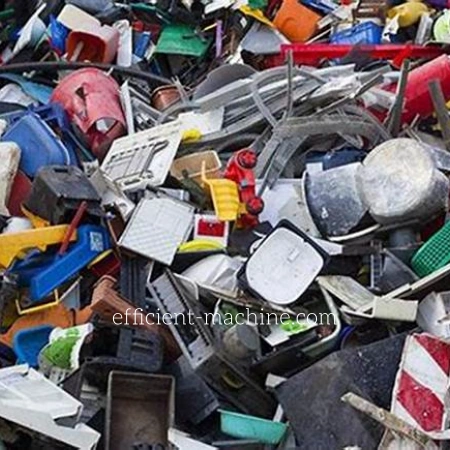
In factory-floor scrap recovery and e-waste recycling, friction washers are utilized to clean shredded plastic components contaminated during storage or disassembly.
- Target Materials: ABS/PS housings from electronic waste (WEEE), automotive bumper offcuts, purge materials, and scrap pipes.
- Contaminants Removed: Machine oil, industrial dust, metal dust fines, and rubber particles.
- Impact on End Product: Restores baseline polymer purity, allowing manufacturers to reintroduce scrap back into primary production lines without sacrificing structural integrity.
Frequently Asked Questions (FAQ) About Plastic Flakes Friction Washer
1. What is the difference between a friction washer and a sink-float separation tank?
A sink-float tank uses liquid density differences to separate different plastic types (e.g., PP/PE floating vs. PET sinking). A friction washer does not separate plastics by density; instead, it uses high-speed mechanical scrubbing to remove physical contaminants (glue, dirt, paper) attached to the flake surfaces.
2. Does the friction washer require hot water or chemicals?
For general dirt, mud, and sand, cold water rinsing is sufficient. However, for PET bottle recycling or materials with heavy oil/glue, integrating hot water with a mild caustic soda solution into the friction washer dramatically improves washing efficiency.
3. How do I prevent the screen mesh from getting blocked by soft plastic films?
We offer specialized Film Friction Washers featuring an adjusted rotor angle, increased water spray pressure, and customized mesh geometries specifically designed to prevent thin LDPE/PP agricultural films from wrapping around the shaft.
What are the important core components of Friction Washer?
The main shaft, blades, and unique hexagonal screen help to increase friction strength.
Upgrade Your Plastic Washing Line Today
Maximize flake purity and protect your downstream extruders from abrasive wear. Contact our recycling engineers today for a custom washing line layout and factory-direct pricing.