
Pasos de procesamiento de la máquina de reciclaje de residuos de plástico
How to Use Waste Plastic to Produce Recycled Plastic Particles: A Complete B2B Guide
In today’s global industrial landscape, plastic recycling is no longer just an environmental initiative—it is a highly profitable commercial venture. With rising raw material costs and tightening environmental regulations, turning plastic waste into high-value recycled plastic particles (also known as plastic granules or pellets) has become a primary focus for entrepreneurs and manufacturers worldwide.
If you are planning to set up a plastic recycling plant, this comprehensive guide will walk you through the entire process, essential equipment, and how to maximize your return on investment (ROI).
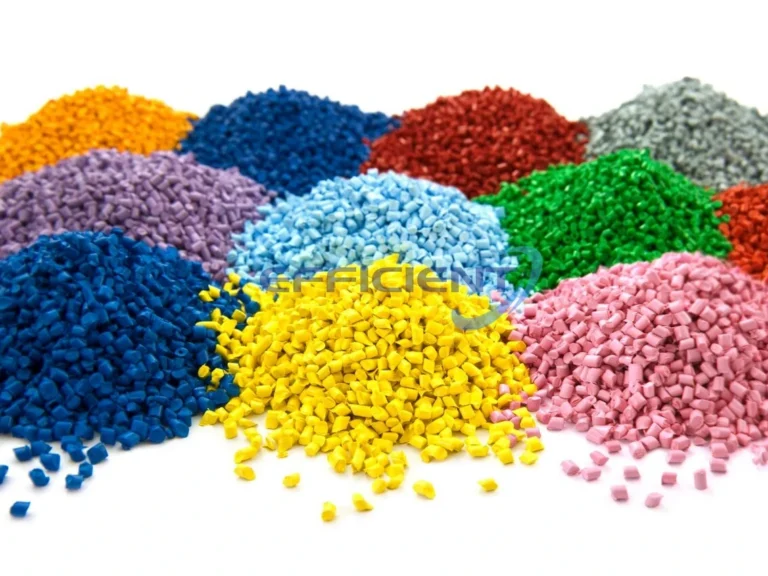
What Are Recycled Plastic Particles?
Recycled plastic particles are small, uniform pellets produced by melting, extruding, and cutting waste plastic materials. These granules serve as the raw material for manufacturing new plastic products, ranging from packaging films and agricultural pipes to automotive components and household containers.
Common plastics suitable for recycling include:
PE (Polyethylene): High-Density PE (HDPE) and Low-Density PE (LDPE) from films, bottles, and containers.
PP (Polypropylene): From woven bags, bumper parts, and crates.
PVC (Polyvinyl Chloride): From pipes, cables, and profiles.
PET (Polyethylene Terephthalate): From waste beverage and water bottles.
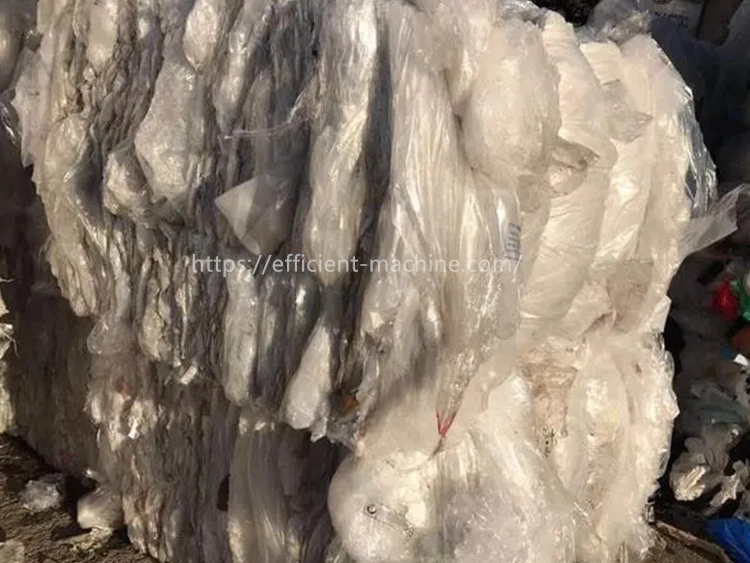
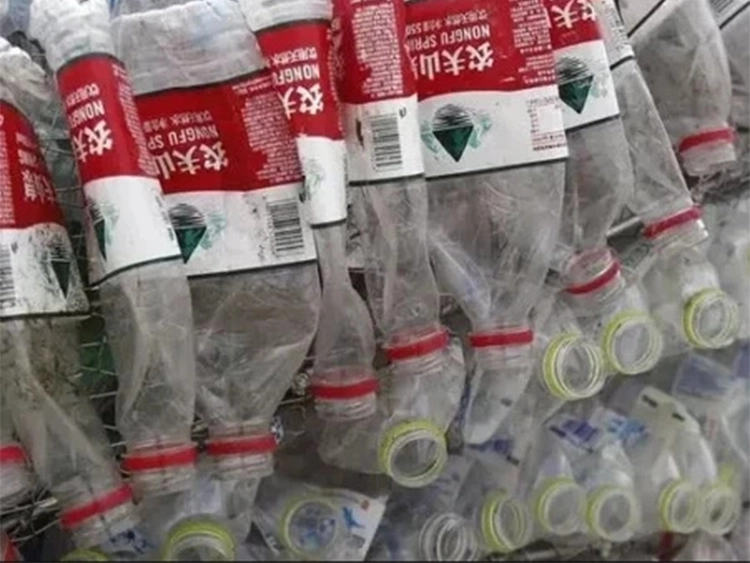

Cómo utilizar plástico de desecho para producir partículas de plástico reciclado
Pasos de granulación del granulador de espuma residual:
- Coloque el material en la cinta transportadora del equipo y espere a que se triture.
- Realizar procesamiento preliminar de trituración y lavado del material.
- Coloque el material en el tanque de enjuague para limpiar el barro y la arena.
- Saque el material y envíelo a la secadora para su deshidratación.
- El material deshidratado se envía al alimentador automático.
- El material ingresa al alimentador de manera uniforme.
- Enfriar las tiras de material extruido.
- Realizar el proceso de granulación.
- Las partículas cortadas son aspiradas hacia el contenedor de almacenamiento a través del ventilador de tiro inducido y empaquetadas en bolsas.

Essential Equipment for a Profitable Recycling Plant
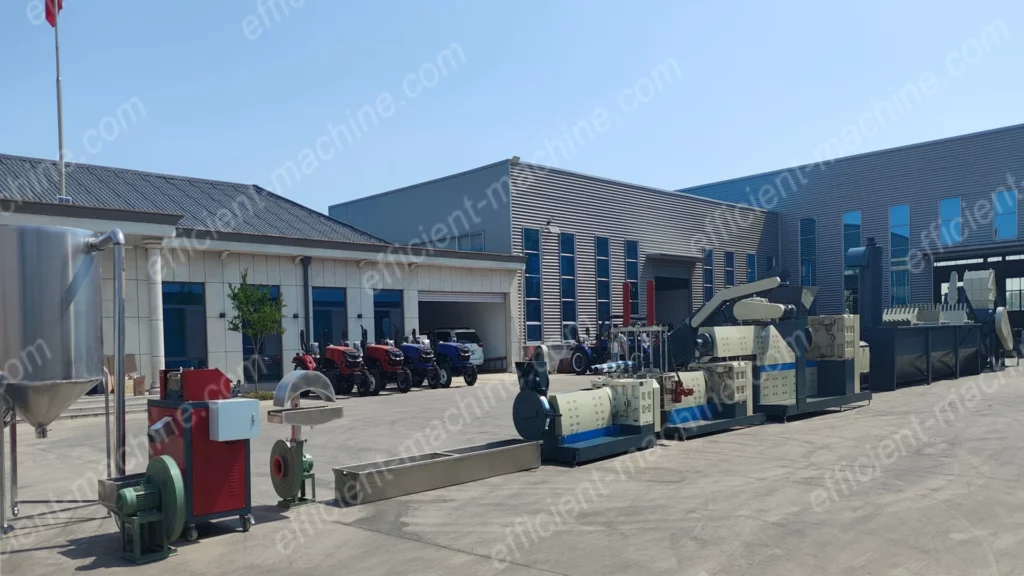
Investing in the right machinery determines the success of your recycling business. A standard turnkey plastic recycling plant generally includes:
Waste Plastic Crusher / Shredder: For initial size reduction.
Plastic Washing & Drying System: To ensure high purity of raw materials.
Plastic Pelletizing Machine (Extruder): Available in single-stage or double-stage configurations depending on whether the material is rigid or film-based.
Auxiliary Equipment: Screen changers (manual or hydraulic), pellet cutting machines, and cooling silos.
Pro Tip: When choosing a plastic pelletizing machine price and supplier, look for direct factory manufacturers who offer custom screw and barrel designs tailored to your specific raw material (e.g., printed films vs. rigid bottles).
Why Invest in Plastic Recycling Machinery?
High Profit Margins: Waste plastic is cheap and widely available, while recycled granules command strong market demand.
Government Incentives: Global push for sustainability means tax breaks and subsidies for green manufacturing projects.
Low Energy Consumption: Modern plastic recycling lines are engineered with energy-saving heating systems and high-efficiency motors to lower operational costs.


Conclusion: Start Your Plastic Recycling Project Today
Transforming waste plastic into valuable plastic particles requires robust technology, precise machinery, and an efficient workflow. Whether you are processing PE films, PP woven bags, or PET flakes, partnering with an experienced manufacturer ensures your plant runs stably with high output and low maintenance.